Rigid & Structural Foam
PET Foam
PET structural foam core options for composite and panel construction.
- core material selection
- compressive strength and density
- panel, sandwich and CNC formats
Send your drawing, dimensions or application.
01 / Product overview
What is PET Foam?
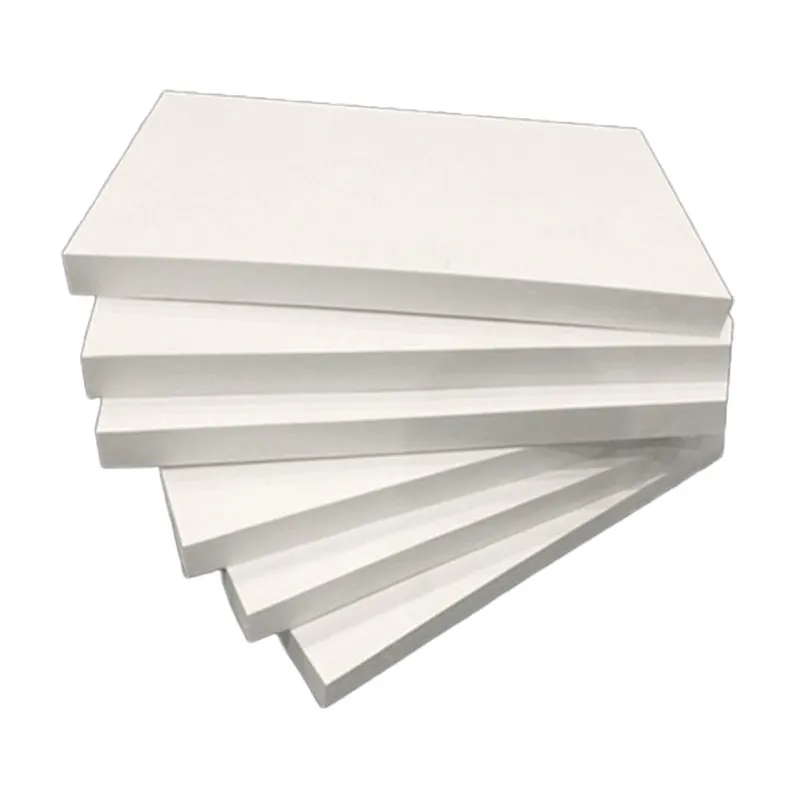
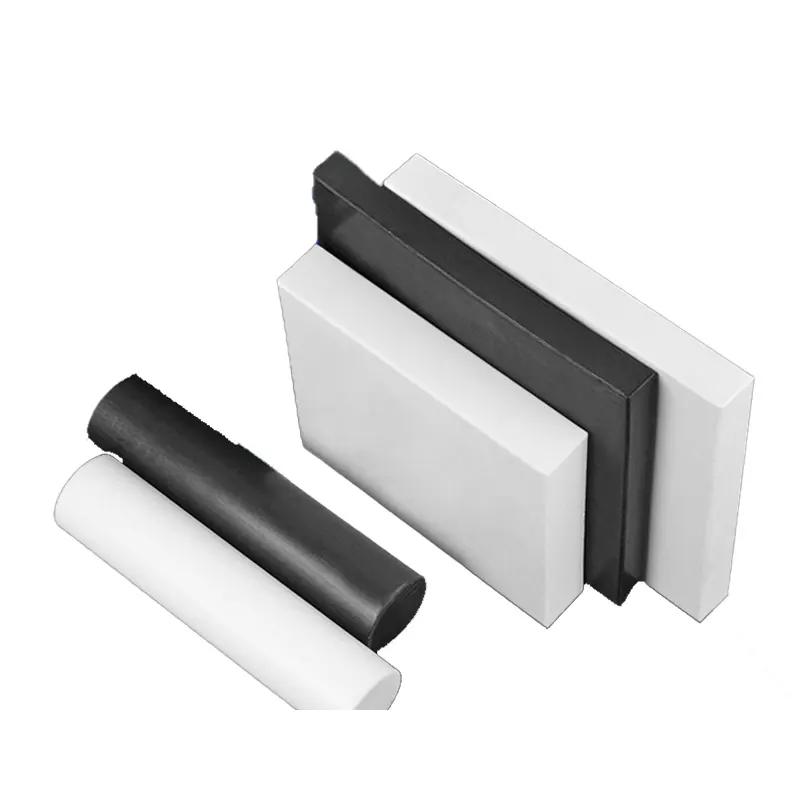
PET foam is a polyethylene terephthalate cellular material. The supplied series is discussed for sandwich structures, floors and side panels in wind, marine and rail projects.
PET foam is considered as a core within sandwich structures, floors and side panels. The material record describes the proposed core; the panel drawing must also define the facings, local openings and connections that the core specimen does not represent.
Discuss your application02 / Benefits
Key selection considerations
Panel location and interfaces
Identify whether the core belongs in a floor, side panel or another sandwich component. Show the facings, supports and edges so the material discussion stays connected to its actual location.
Compression evidence
A result in MPa reports stress under a specified procedure. Keep direction, specimen dimensions and the reported criterion with it instead of treating it as an assembled-panel load limit.
Local core geometry
Openings, stepped thickness and connection regions can require information beyond the panel envelope. Mark those features before comparing a flat-stock and shaped-core proposal.
03 / Technical specifications
Properties & specifications
Compare the source range with your application requirements.
Source: company-supplied preliminary series information. These values have not been verified against approved grade-specific data sheets, test methods or tolerances. They are not guaranteed supply specifications or purchase acceptance limits.
| Property | Range / Options |
|---|---|
| Density | 60–250 kg/m³ |
| Compressive Strength | 0.5–3 MPa |
| Formats | sheet, sandwich core, machined panel |
| Core Use | composite panels, floors and side panels |
Ranges vary by grade. Confirm specifications and test methods for your application.
Ask about specifications04 / Formats & construction options
Formats & construction options
These are constructions to discuss, not a stocked range. The offered grade, conversion scope and dimensions are agreed for each enquiry.
Sheets and stock
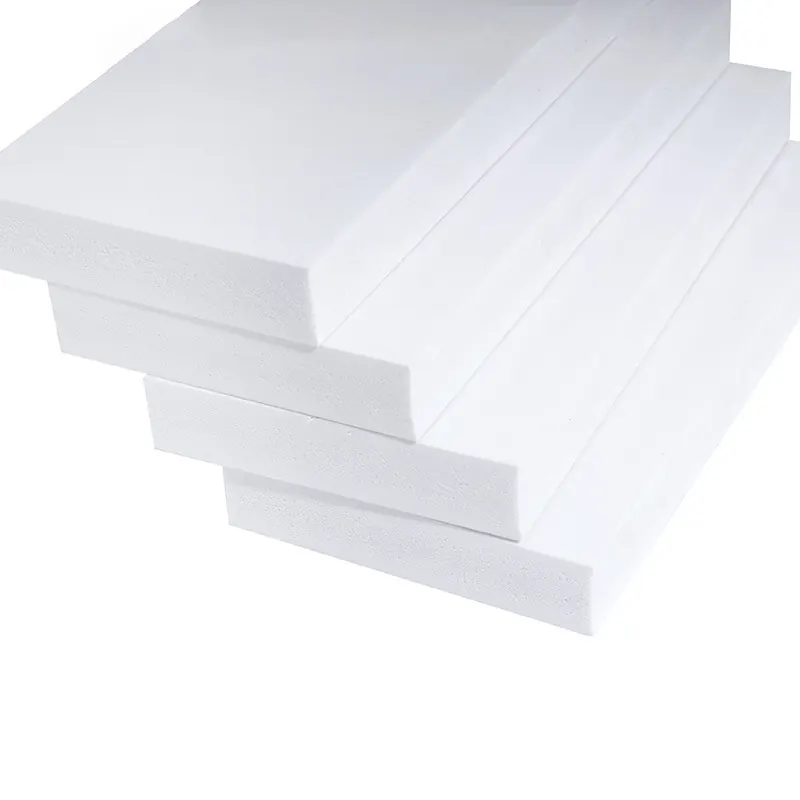
Identify stock thickness and dimensions, with the cutting or assembly responsibility stated separately. Stock size is not the complete tolerance definition for a finished panel.
Shaped sandwich-core components
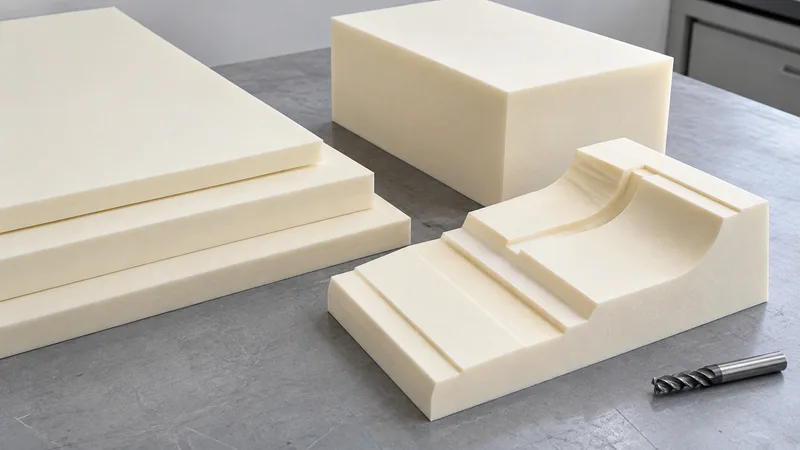
Provide the core outline, local sections, facing interfaces and openings. Identify which parts of the assembly belong to the enquiry; machining route, processing ownership and achievable features need confirmation for the selected construction.
05 / Applications
Applications of PET Foam
Match the part geometry and sample question to its intended task.
- 01
Sandwich structures
Keep core identity, facing arrangement and joining interfaces together. A material record can support the core discussion without establishing the completed sandwich performance.
- 02
Floor panels
Show support and connection locations, local openings and the relevant load question. The overall footprint alone leaves these local panel conditions undefined.
- 03
Side panels
Identify panel orientation, edges and attachments to the surrounding structure. Use the same configuration when comparing a proposed core with the panel sample.
- 04
Wind, marine and rail applications
Name the specific component and required evidence within the project. These application directions do not establish sector certification or an approved design.
06 / Quality & project review
Sample checks for PET Foam
Agree the drawing, applicable material data and sample requirements for your project.
Core drawing
Check local thickness, openings, edges and reference surfaces against the core drawing, keeping it distinct from the complete panel dimensions.
PET grade and method
Match the offered grade to its density and compression record, including specimen direction and criterion. The preliminary range is not a list of interchangeable grades.
Panel sample configuration
Identify the facings, connections and assembly used for any panel observation. A core-only specimen cannot reproduce all of those interfaces.
Supply and assembly boundary
State whether the accepted item is stock, a shaped core or an agreed assembled construction, and identify which later operations remain with the receiving team.
08 / PET Foam FAQs
PET Foam FAQs
Questions to settle before sampling or production.
What is the minimum order for PET core sheets or machined panels?
Send the sheet size, thickness and sheet count, or the panel drawing and piece quantity. Our team will confirm the minimum order for the specified density and machining requirements.
What conditions should I specify for a PET sandwich core?
Provide the structural loads, service environment, resin system and cure conditions. Confirm the selected grade against both the manufacturing process and the finished panel requirements.
How do I select PET core density and thickness?
Share the required compressive and shear performance, panel dimensions and weight target. Density and thickness should be checked against the complete sandwich design and agreed test methods.
What should I provide for a shaped or laminated PET core?
Send the core geometry, mating layers, bonding requirements and critical tolerances. Review the processing route and a representative bonded or shaped sample before approving the construction.
09 / Request a quote
Request a quote for PET Foam
Send the PET core drawing with the panel configuration around it. Identify the local features and whether the enquiry concerns stock, a shaped core or a wider assembly.
- Core outline, thickness transitions and openings
- Panel facings, supports, edges and connection locations
- Proposed grade with compression-method and direction requirements
- Quantity, supply boundary and core/panel sample scope
Tell us about your project
Prepare an email with your project details, then attach drawings and send it from your email app.