Rigid & Structural Foam
Rigid PU Foam
Lightweight insulation, models and structural core applications.
- core material selection
- compressive strength and density
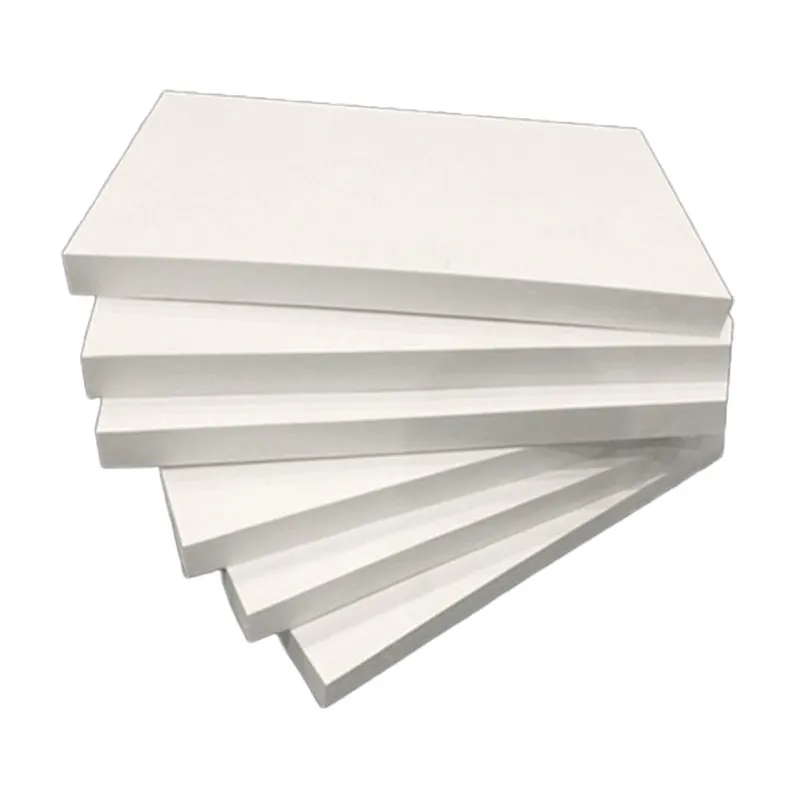
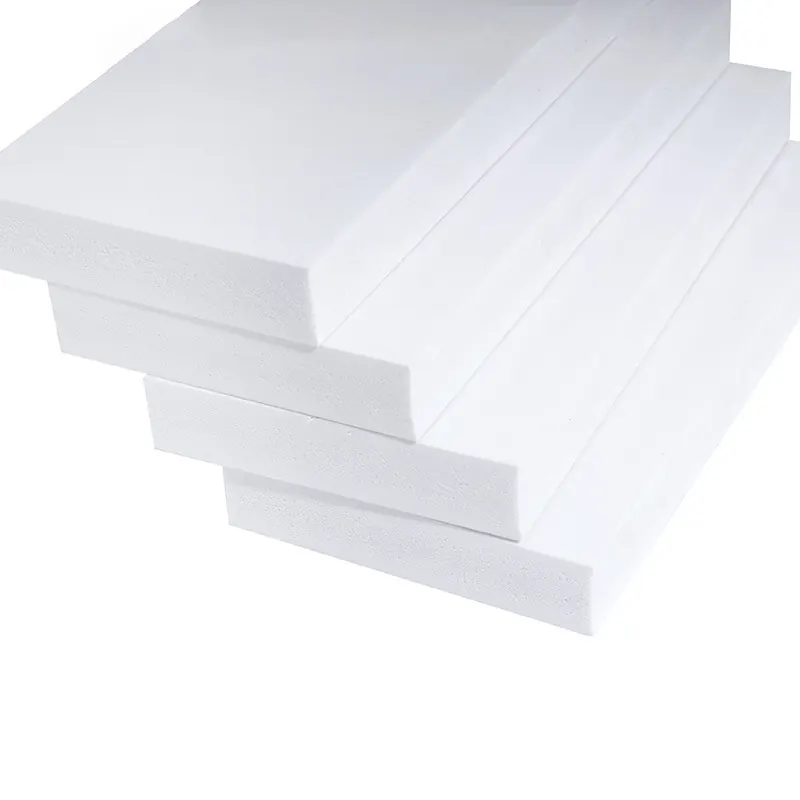
- panel, sandwich and CNC formats
Send your drawing, dimensions or application.
01 / Product overview
What is Rigid PU Foam?
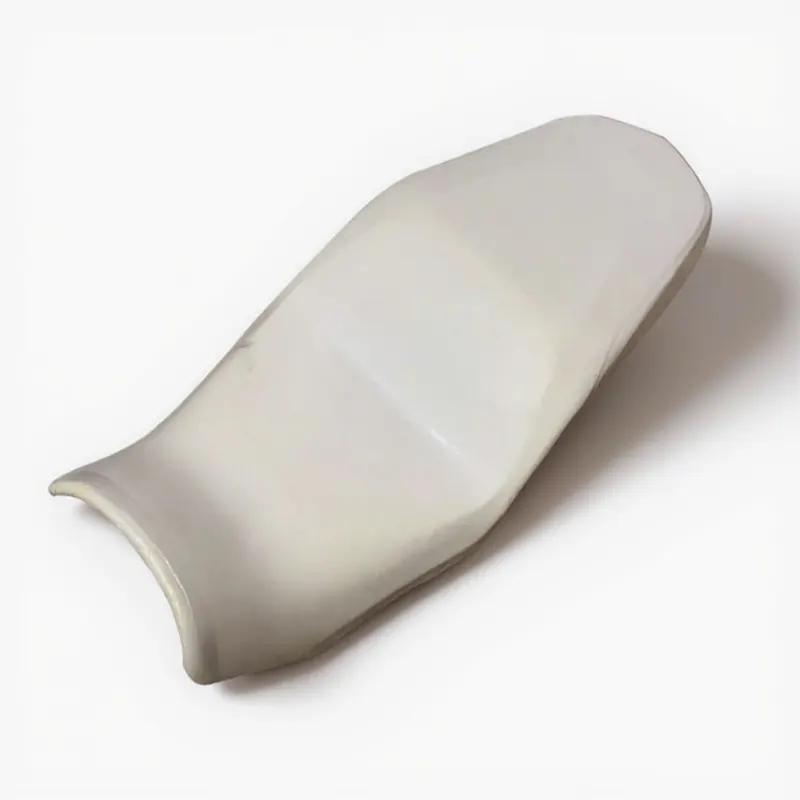
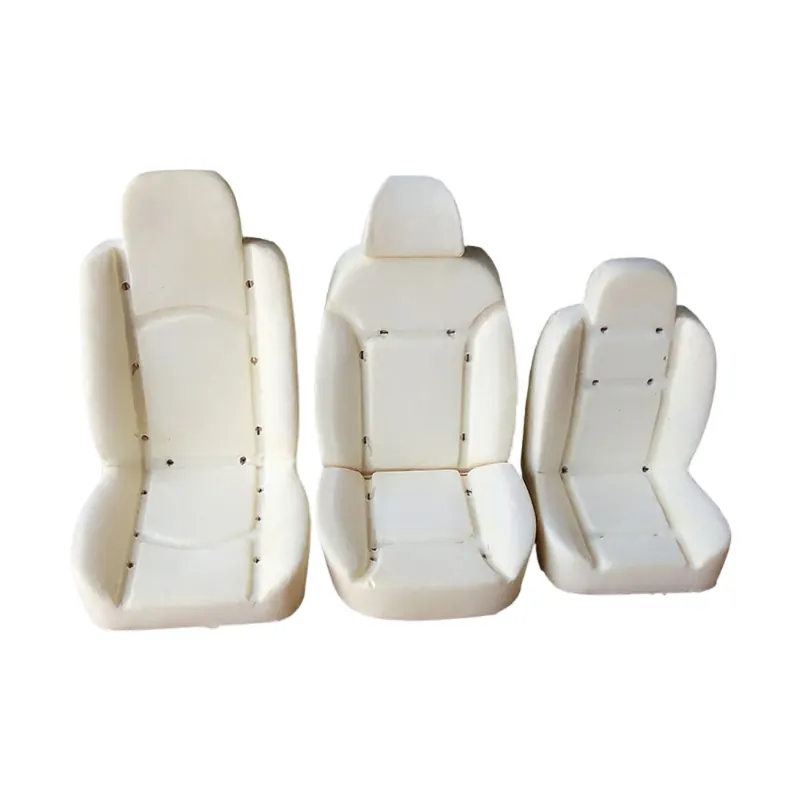
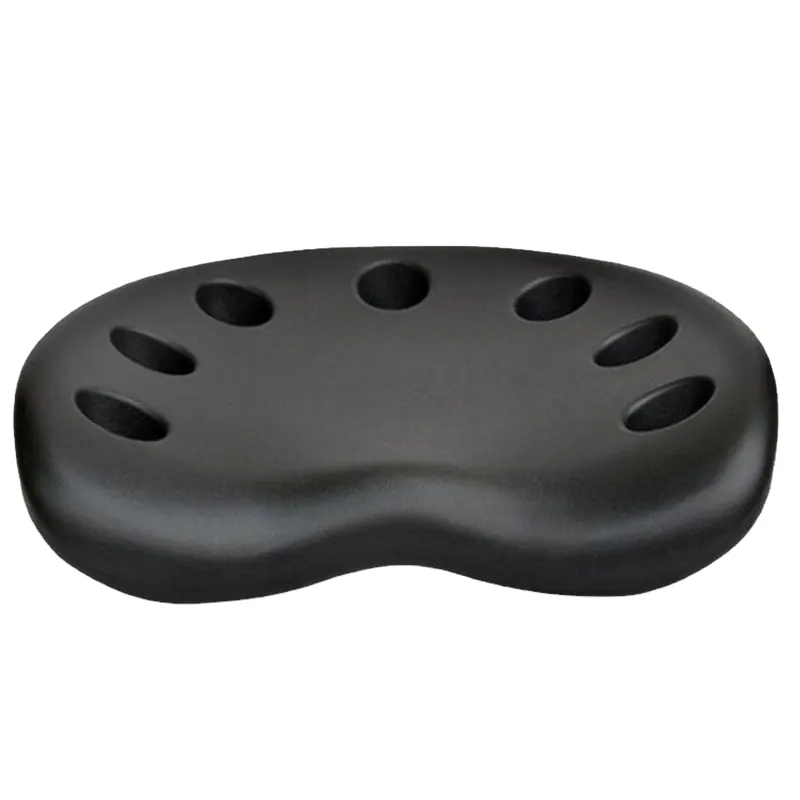
Rigid PU foam is a rigid polyurethane cellular material. The supplied series covers insulation layers, models and structural-core discussions.
Rigid PU foam enquiries span insulation layers, models and structural cores. A model is defined by geometry and intended handling; a core adds interfaces and performance questions for the assembled panel. Those tasks should not share an automatic acceptance checklist.
Discuss your application02 / Benefits
Key selection considerations
Insulation, model or core
Identify the function before selecting a specification field. Thermal requirements, a model outline and a panel load question describe different work and should not be collapsed into one density choice.
Core versus complete panel
Where the foam is used with facings, show the core thickness, local features and joining interfaces. A compression result for a specimen does not establish the capacity of that panel.
Geometry and processing boundary
A stock sheet, shaped core and proposed molded geometry have different drawing needs. Mark the finished surfaces and who is responsible for shaping, joining and assembly.
03 / Technical specifications
Properties & specifications
Compare the source range with your application requirements.
Source: company-supplied preliminary series information. These values have not been verified against approved grade-specific data sheets, test methods or tolerances. They are not guaranteed supply specifications or purchase acceptance limits.
| Property | Range / Options |
|---|---|
| Density | 30–200 kg/m³ |
| Compressive Strength | 0.2–5 MPa |
| Formats | sheet, core, CNC-machined part, molded part |
| Core Use | insulation, models and structural core |
Ranges vary by grade. Confirm specifications and test methods for your application.
Ask about specifications04 / Formats & construction options
Formats & construction options
These are constructions to discuss, not a stocked range. The offered grade, conversion scope and dimensions are agreed for each enquiry.
Sheets and blocks
Give stock dimensions and distinguish them from the finished shape. This keeps raw-material supply separate from any later shaping or panel assembly.
Core components
Show thickness transitions, openings and the interfaces with facings or supports. Local features need a controlled drawing even when the overall panel is rectangular.

Shaped models
Define the reference surfaces, contour and intended model use. A model enquiry does not automatically require a sandwich facing or a structural-panel approval.
Machined or molded proposals
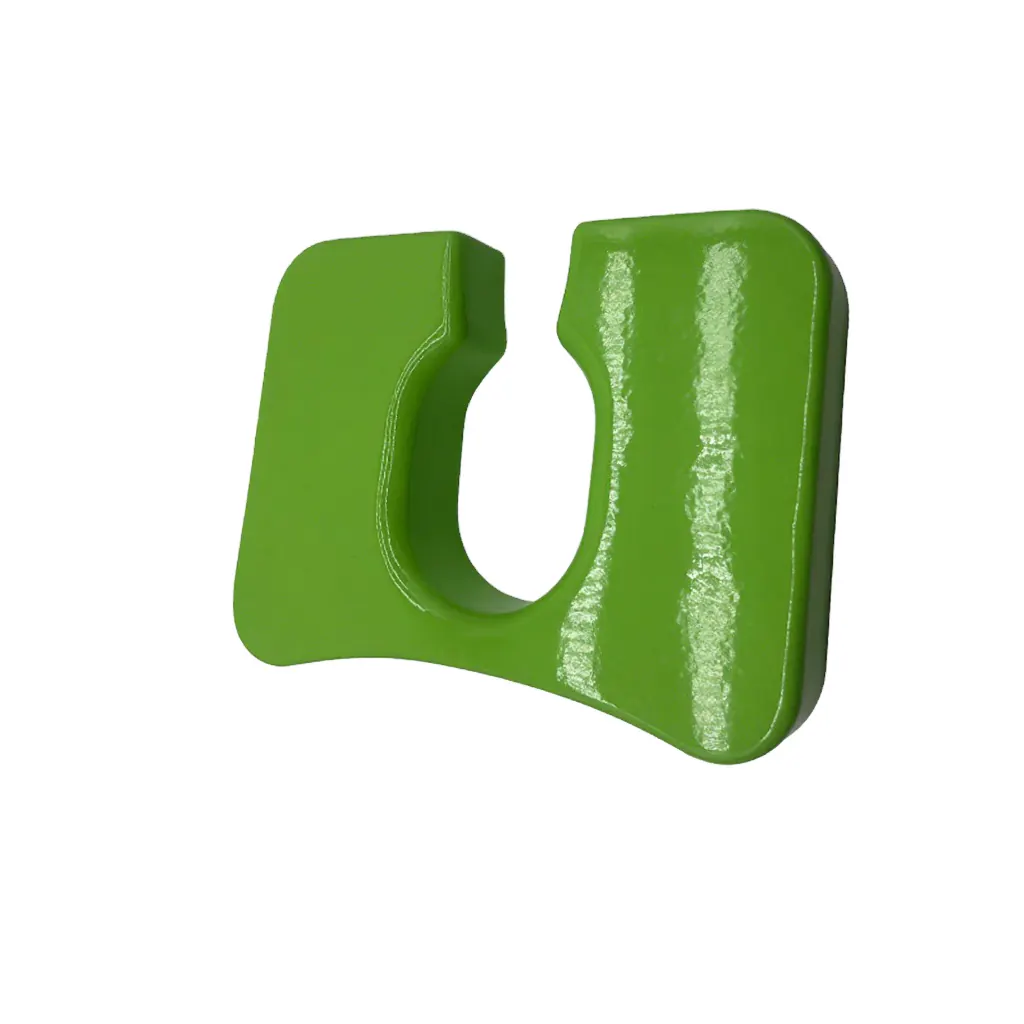
Provide the finished geometry and identify critical surfaces for a route review. CNC and molding scope, processing ownership and achievable requirements must be agreed for the actual part.
05 / Applications
Applications of Rigid PU Foam
Match the part geometry and sample question to its intended task.
- 01
Insulation layers
Locate the layer in the assembly and describe the thermal boundary, joints and adjoining materials. Thickness alone cannot establish the insulation result of the complete construction.
- 02
Models
State whether the model is for geometric checking, display or another identified task. Contour, reference features and handling are relevant; core-to-facing details are needed only if the model actually includes that construction.
- 03
Structural cores
Show the facings, load introduction, local cut-outs and joining interfaces. Review the material specimen record separately from the assembled structure requirements.
- 04
Cold-chain equipment
Describe where the foam sits among covers, joints and adjacent layers. The equipment duty and complete insulation construction need a project assessment, not a grade selection from density alone.
06 / Quality & project review
Sample checks for Rigid PU Foam
Agree the drawing, applicable material data and sample requirements for your project.
Finished geometry
Check local thickness, contour, openings and reference surfaces for the particular model or core, not only the stock block size.
Compression record context
Retain the reported stress criterion, method, specimen direction and dimensions. Density and compressive strength are different fields and do not define a design load by themselves.
Sample purpose
Specify whether the sample resolves model geometry, assembly fit or an agreed thermal or mechanical question; an observation in one category does not approve the others.
Panel or model revision
Keep facing and join details for a core, or the geometric reference for a model, with the accepted drawing revision. Avoid carrying a panel checklist into an unrelated model order.
08 / Rigid PU Foam FAQs
Rigid PU Foam FAQs
Questions to settle before sampling or production.
What is the minimum order for rigid PU boards or machined parts?
Send board dimensions and count, or the machined or molded part drawing and piece quantity. Our team will confirm the minimum order and any tooling requirements for the selected route.
What should I specify for insulation or structural-core use?
Provide the loading, operating temperatures, moisture exposure and any insulation requirement. The density and grade need to be reviewed for the intended use rather than selected from density alone.
How do I choose rigid PU density and strength?
Share the required compressive strength, finished thickness, dimensions and tolerances. Confirm the grade and test method, then review a representative sample against the design requirements.
What information is needed for a CNC-machined PU part?
Provide a dimensioned drawing or 3D model, critical features, tolerances and any bonding or surface-finish requirements. Confirm the machining route and sample before production.
09 / Request a quote
Request a quote for Rigid PU Foam
Tell us whether the rigid PU part is an insulation layer, model or structural core. Send the finished geometry and separate the material, shaping and assembly requirements.
- Function and finished drawing with local sections
- Facings and load interfaces for cores, reference surfaces for models
- Thermal/mechanical evidence needs and proposed grade record
- Quantity, processing responsibility and sample purpose
Tell us about your project
Prepare an email with your project details, then attach drawings and send it from your email app.