Skip to content

Electronics · application review

Protect the shipment. Review the interface.

Match electronics foam to its job: protect a product in transit, organize an insert or review a temperature-sensitive equipment interface.

Discuss your component
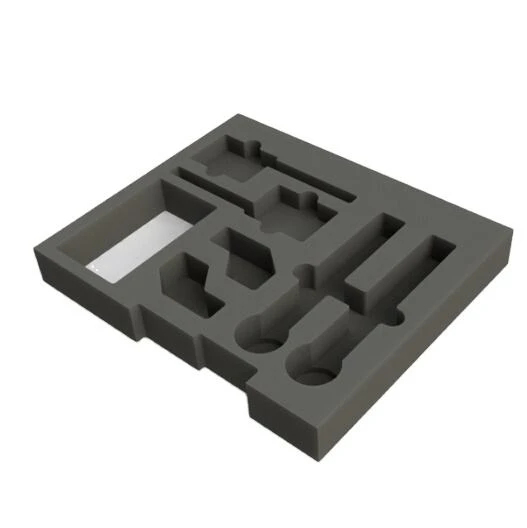
Custom cut foam packaging insert with shaped compartments
Customer material reference: shaped insert geometry; this image does not represent a validated electronics shipment.

01 / Start with the task

Different jobs call for different review paths.

Transport protection and an installed equipment interface need separate briefs. Compare material routes within each job rather than ranking all foam families together.

01

Transport and precision-product inserts

EPE is described for electronic products and precision-instrument shipping liners. EVA is described for packaging inserts. Review support zones and part removal before choosing the form.

Where can the insert contact the product, and which surfaces must stay clear?

02

Temperature-sensitive equipment interfaces

Silicone Foam is described for electronic-equipment insulation and sealing. The grade still depends on temperature, medium, geometry and approved evidence.

Which temperature and medium conditions must the actual assembly be checked against?

02 / Compare on common inputs

One assembly brief. Different material questions.

A transport insert supports and positions a product inside packaging. An installed sealing part must fit its mating surfaces and exposure conditions. Keep these boundaries visible when discussing material options.

Qualitative application routes; grade-specific supply and performance require confirmation.
Project task Material routes to review Evidence to request
Electronic-product shipping insert EPE / EVA Product envelope, support zones, packaging route and sample checks
Precision-instrument transport EPE; other routes only after review Sensitive surfaces, clearances and unloading sequence
Equipment insulation/sealing interface Silicone Foam Temperature/medium, mating surfaces and assembly-specific evidence

03 / Prepare the review

Send the product envelope and the equipment context.

A useful electronics request explains where the foam sits, what it touches and how the part is assembled or packed. Review each material family against that location.

  • Product drawing, sensitive surfaces, orientation and packaging enclosure.
  • Mating surfaces, installation sequence and temperature/medium questions for equipment interfaces.
  • Proposed sample checks, critical dimensions and approval owner.
  • Expected volume and format questions without assuming a stocked grade.

04 / Resource guides

Move from a shortlist to a reviewable sample.

Electronics material questions

How do transport inserts differ from installed electronics foam parts?

Transport inserts support and position a product in packaging. Installed parts are reviewed against mating surfaces, assembly access and exposure conditions. Keep these as separate application briefs.

Does the material range prove ESD or electrical compliance?

No. The current material information does not provide a grade-specific ESD or electrical compliance record. State the requirement and request the applicable evidence before selection.

What starts an electronics foam project?

Send the product or interface drawing, contact zones, installation or packing sequence, exposure questions and proposed sample acceptance checks.

Bring the electronics part brief.

Share the drawing, sensitive surfaces, shipping or installed location, environment, expected volume and sample acceptance checks.

We use only necessary browser storage to remember privacy preferences and support core site functions.