Skip to content

Automotive · application review

Start with the component. Then choose the route.

Review automotive foam by component task: parts handling, sealing interfaces or seating.

Discuss your component
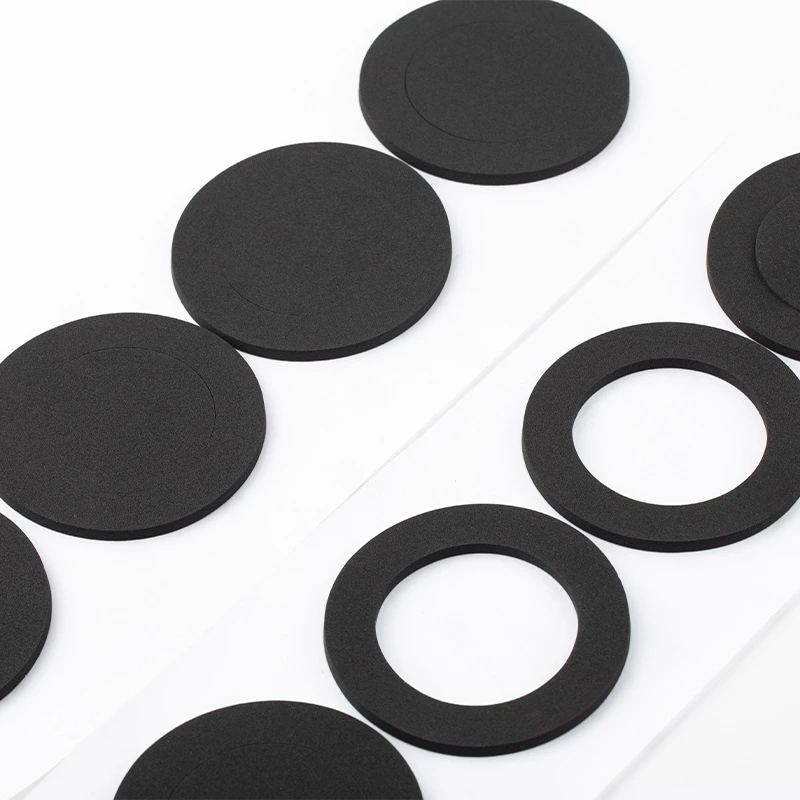
Black foam gaskets and circular sealing pads
Customer material reference: foam gasket forms; this is not evidence of an approved vehicle component.

01 / Start with the task

Handling, sealing and seating need separate decisions.

The material portfolio crosses automotive applications. Each component needs a defined function, interface and evidence owner before grade or format selection.

01

Parts handling and protective geometry

EPP is described for returnable boxes, pallets and protective parts. EVA is described for damping pads. Review the actual part-contact and assembly job before comparing them.

Is the foam locating a transported part or remaining with the component?

02

Sealing interfaces and medium questions

CR and EPDM belong to the automotive application scope; NBR is described for oil-environment gaskets and equipment sealing. Medium compatibility still requires project evidence.

Which surfaces, exposure and installation conditions define this particular seal?

03

Seating cushions and assembled fit

PU Foam Cushion and Memory Foam Cushion are described for automotive seating. Review density/ILD or slow-response structure alongside the seat geometry and cover.

What must the assembled cushion sample demonstrate, and who approves it?

02 / Compare on common inputs

One assembly brief. Different material questions.

A reusable carrier, an oil-exposed gasket and a seat cushion are not interchangeable foam jobs. Match each material discussion to the specific component and keep industry requirements separate from application descriptions.

Qualitative application routes; grade-specific supply and performance require confirmation.
Project task Material routes to review Evidence to request
Returnable handling/protective part EPP; EVA for stated pad tasks Part contacts, loading access and defined sample conditions
Sealing interface CR / EPDM / NBR as task requires Mating geometry, medium/exposure and applicable grade evidence
Automotive seating cushion PU / Memory Foam Seat/cover geometry, specification method and assembled sample record

03 / Prepare the review

Describe the component and its next review.

Share the actual location and drawing instead of a broad automotive performance request. The review can then focus on the conditions that matter to that part.

  • Part envelope, loading/removal sequence and carrier context for handling.
  • Mating surfaces, medium, environment and installation for sealing.
  • Seat geometry, cover, thickness and density/ILD questions for cushions.
  • Required evidence, sample configuration and drawing approval owner.

04 / Resource guides

Move from a shortlist to a reviewable sample.

Automotive material questions

Can one material be selected for all automotive foam jobs?

Route the request by component task. A carrier, seal and cushion have different geometry and evidence questions. The material list does not establish universal interchangeability.

Does the automotive application list prove vehicle qualification?

No. An application description is not a certification or OEM approval. Define the required evidence for the actual component and proposed grade.

What should an automotive foam request include?

Provide the component drawing, location, interface, medium and environment, proposed format, expected volume and project-specific acceptance requirements.

Bring the component, not only the category.

Send the drawing, vehicle or handling location, medium and environment, proposed format, expected volume and acceptance requirements.

We use only necessary browser storage to remember privacy preferences and support core site functions.