Sealing & Rubber Foam
EPDM Foam
Weather-resistant sealing for building, lighting, photovoltaic and outdoor applications.
- cell structure and hardness selection
- environment and media considerations
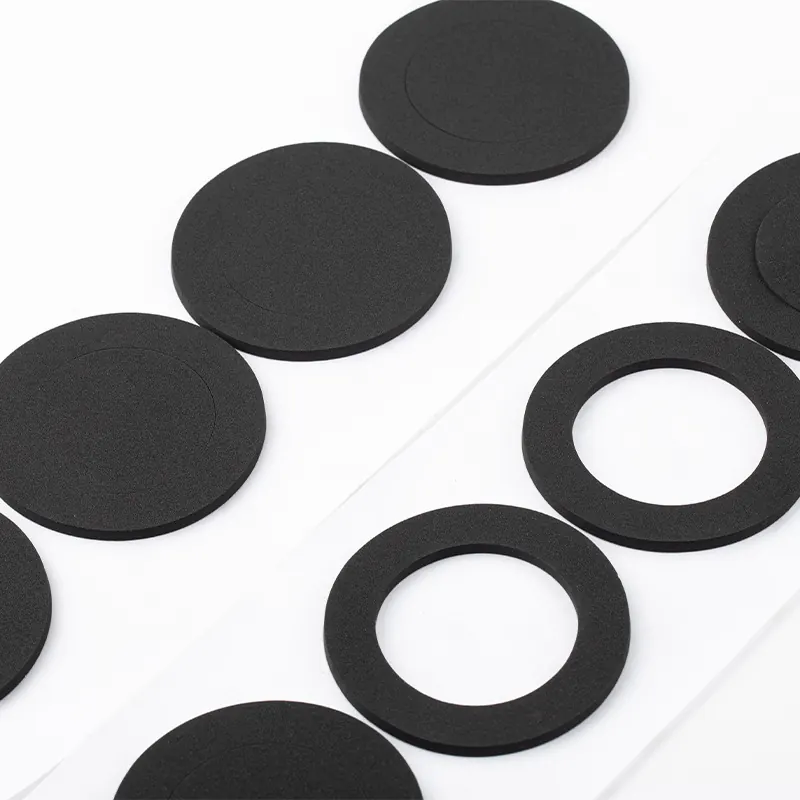
- gasket and die-cut formats
Send your drawing, dimensions or application.
01 / Product overview
What is EPDM Foam?
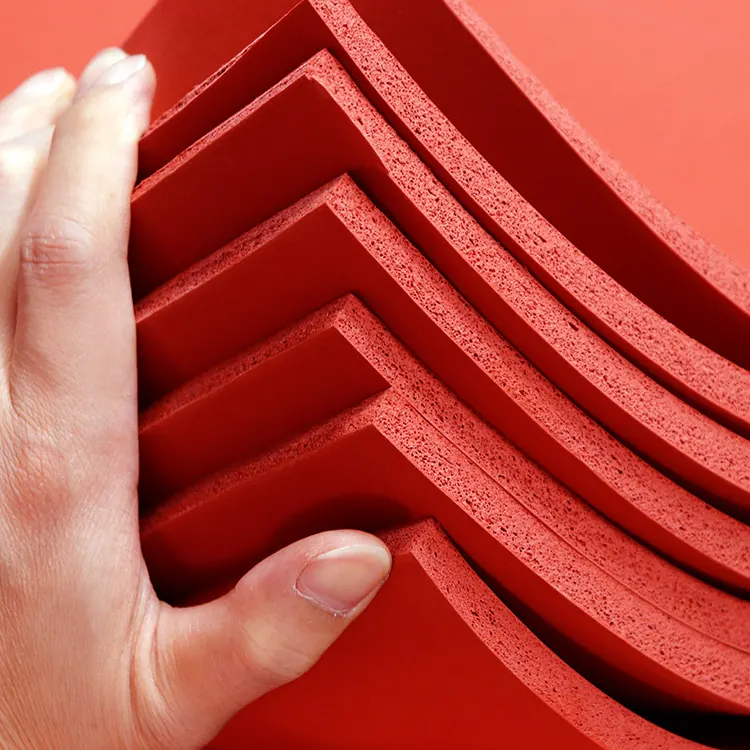
EPDM foam is an ethylene propylene diene rubber foam. This series is discussed for outdoor lighting, door and window joints, and photovoltaic sealing.
An outdoor gasket is defined by the joint it closes, not only by the sheet it is cut from. Separate exposed faces, protected edges and moving interfaces before comparing an EPDM grade with the proposed gasket shape.
Discuss your application02 / Benefits
Key selection considerations
Joint gap and closing movement
A flat flange, an opening frame and a cover corner do not compress a gasket in the same way. Show the free gap, closing direction and available space so a sample represents the actual joint.
Exposure at the sealing path
Weather on an outer face and liquid held inside a joint are different exposure questions. Identify wet locations, temperature conditions and contact duration rather than treating an outdoor application as one uniform condition.
Thickness versus hardness
Thickness establishes the starting geometry; Shore C is a material test reading. Neither field alone supplies the installed closing force or proves that the assembled seal stops water.
03 / Technical specifications
Properties & specifications
Compare the source range with your application requirements.
Source: company-supplied preliminary series information. These values have not been verified against approved grade-specific data sheets, test methods or tolerances. They are not guaranteed supply specifications or purchase acceptance limits.
| Property | Range / Options |
|---|---|
| Density | 70–250 kg/m³ |
| Hardness | 10–35 Shore C |
| Cell Structure | closed-cell |
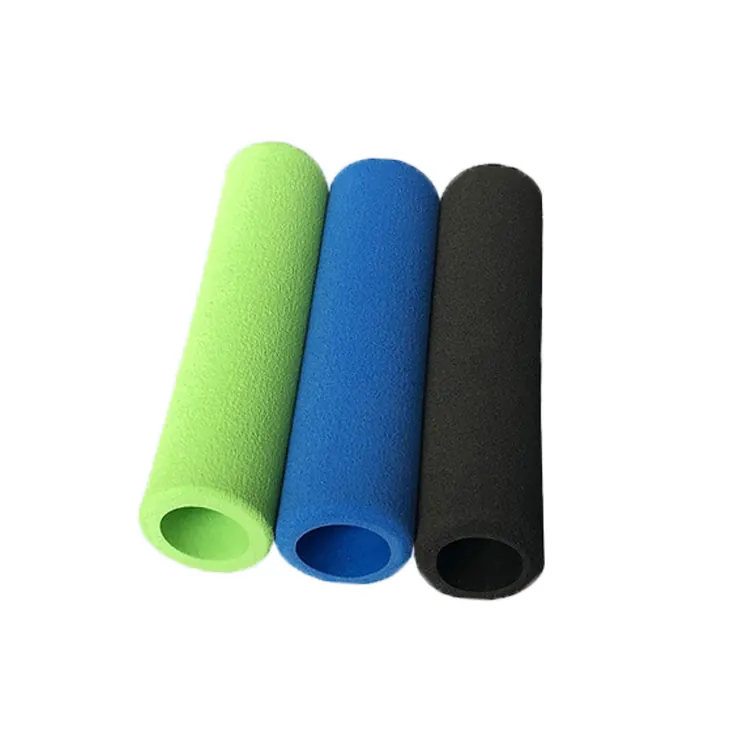
| Formats | sheet, strip, gasket, custom die-cut profile |
Ranges vary by grade. Confirm specifications and test methods for your application.
Ask about specifications04 / Formats & construction options
Formats & construction options
These are constructions to discuss, not a stocked range. The offered grade, conversion scope and dimensions are agreed for each enquiry.
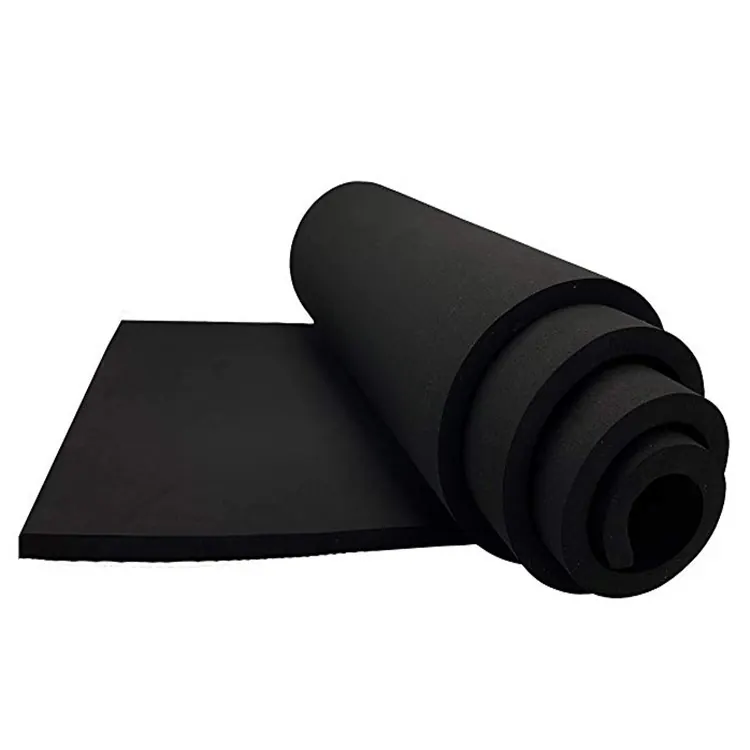
Sheets
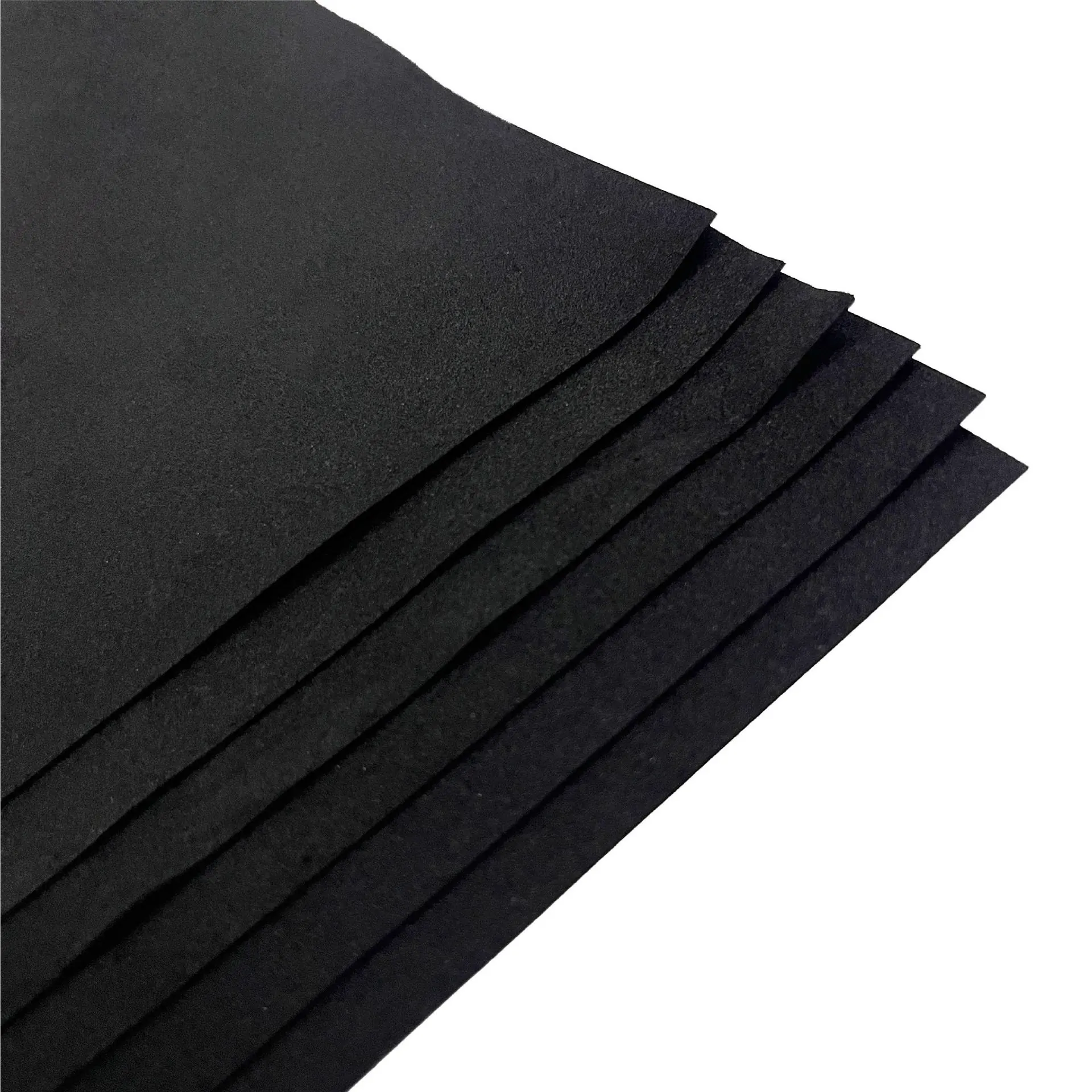
Use a sheet enquiry for flat stock that will be converted into several gasket outlines. Give the stock size and thickness separately from the finished-part dimensions and identify who will do the cutting.
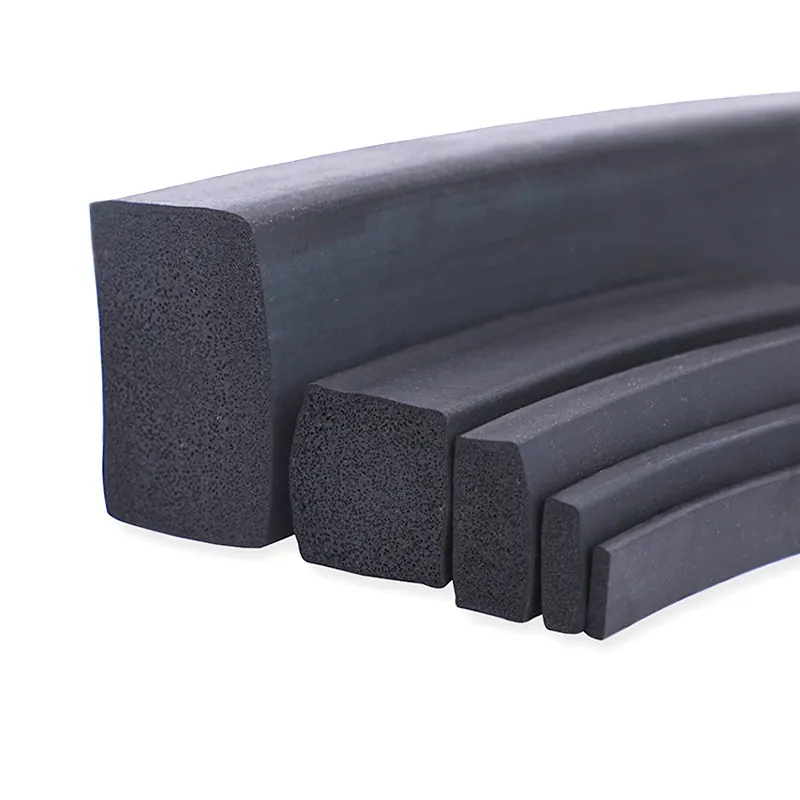
Strips
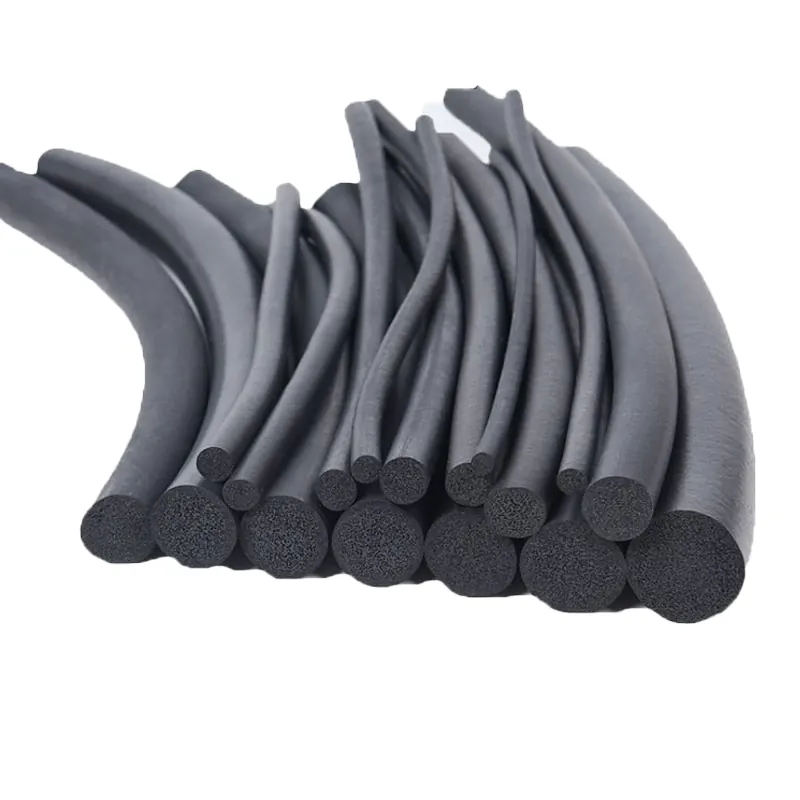
A strip follows a sealing path. Its width, thickness, end positions and corner joins belong on the drawing; a total length alone cannot show whether the path remains continuous.
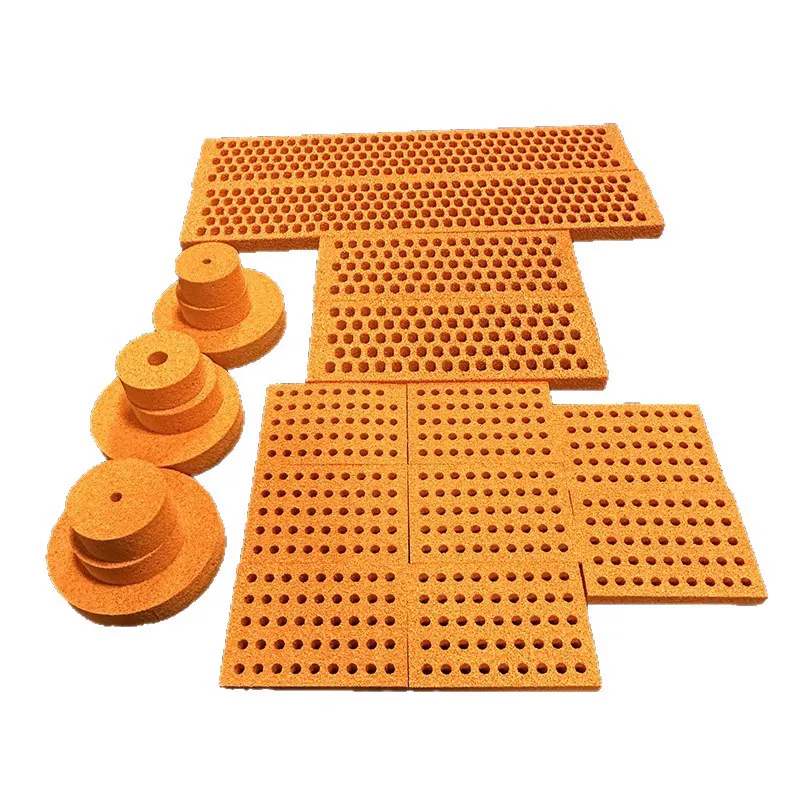
Gaskets
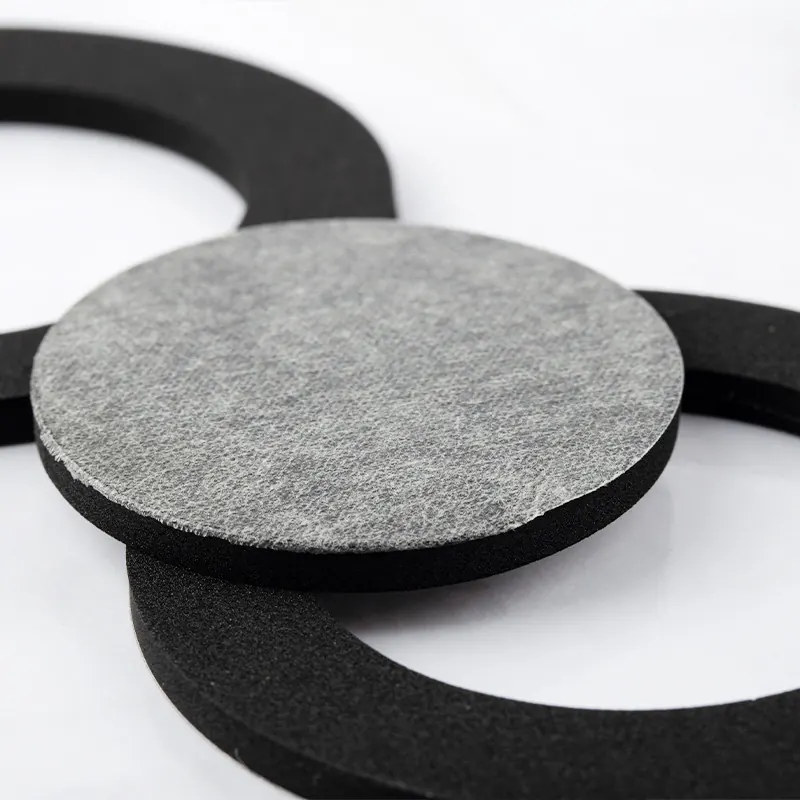
A gasket enquiry describes one controlled outline with holes and local features. Include the mating surfaces and installation orientation so the outline is checked in the correct position.
Backing and attachment
If a backing is needed, identify its contact surface, installation conditions and removal requirements. Backing choice and conversion availability are project-specific, not implied by the EPDM family name.
05 / Applications
Applications of EPDM Foam
Match the part geometry and sample question to its intended task.
- 01
Outdoor lighting
Locate the gasket between the housing and cover, and distinguish exposed edges from the protected sealing path. Cover removal, fastener positions and corners can change the sample configuration.
- 02
Doors and windows
Identify whether the strip sits in a fixed joint or crosses an opening interface. Mark the closing direction and joins; a frame outline does not describe the local installed gap.
- 03
Photovoltaic sealing
Show the component interface and the surfaces exposed to weather. A material discussion for this use does not establish a module approval or the performance of the complete joint.
- 04
Weather-exposed equipment
Separate enclosure fit from the exposure requirement. A correctly located gasket can still need an independent assembled sealing assessment for the intended environment.
06 / Quality & project review
Sample checks for EPDM Foam
Agree the drawing, applicable material data and sample requirements for your project.
Outline and joint location
Check the gasket outline, hole positions and orientation against the identified counterpart drawing, including the corners where the sealing path changes direction.
Proposed EPDM record
Match the sample to its grade, cell-structure, thickness and hardness record. Keep the Shore C method with the reading rather than substituting a different hardness scale.
Assembled sample scope
Record which cover, closing arrangement and gap were used. An outline-fit observation and a sealing result are separate acceptance items.
Repeat-order identity
Retain the approved outline revision and any strip-join or backing definition with the order so a later dimensional or attachment change is visible.
08 / EPDM Foam FAQs
EPDM Foam FAQs
Questions to settle before sampling or production.
What is the minimum order for EPDM sheets, strips or gaskets?
Send sheet dimensions and count, strip width and total length, or a gasket drawing and piece quantity. The minimum order will be confirmed for the chosen grade, thickness and format.
What should I confirm for an outdoor EPDM seal?
EPDM is used for outdoor lighting, window and door seals. Share the weather exposure, temperature range, moisture conditions and sealing gap so the grade and compression requirements can be reviewed.
How do I choose EPDM thickness and hardness?
Provide the uncompressed gap, available closing force and required finished dimensions. Review thickness, density and hardness together, then check seal fit and compression with a sample.
What information is needed for adhesive-backed EPDM?
Identify the mating surface, application temperature and any moisture exposure, and send the part dimensions. Adhesive selection and the bonded sample need to be confirmed for the installation.
09 / Request a quote
Request a quote for EPDM Foam
Send the gasket outline together with the joint it needs to close. The mating geometry and exposure explain more than a request for EPDM of a certain thickness alone.
- Joint drawing, installed gap and closing direction
- Outdoor exposure, medium and contact conditions
- Thickness, hardness scale and any backing requirement
- Piece or strip quantity and the sample approval question
Tell us about your project
Prepare an email with your project details, then attach drawings and send it from your email app.