Foam Cushions
Memory Foam Cushions
Slow-recovery and layered cushion options for office, automotive and home seating.
- comfort and support selection
- contour cutting and lamination
- application-specific cushion construction
Send your drawing, dimensions or application.
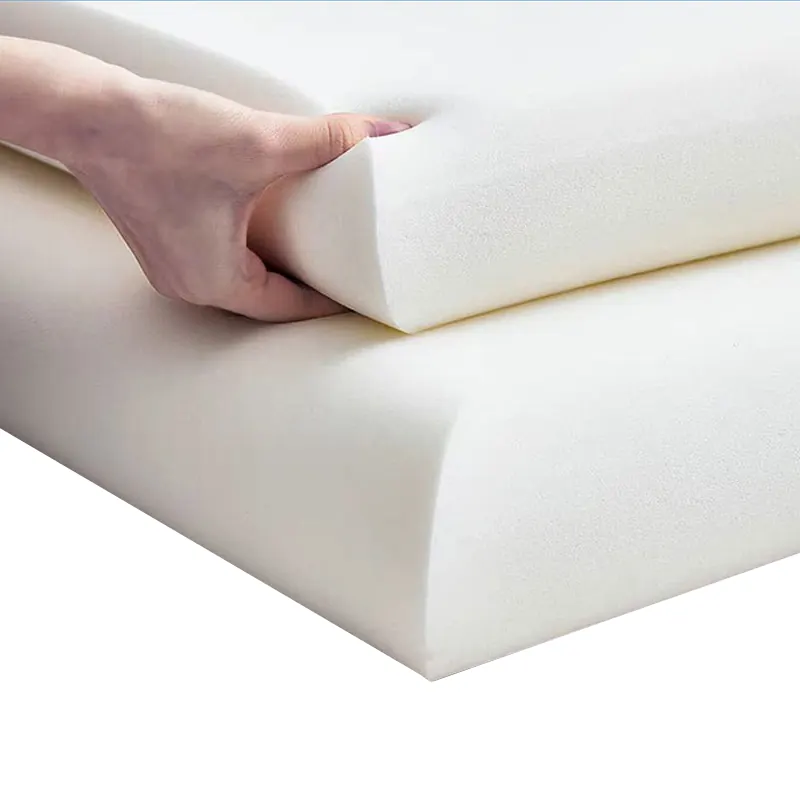
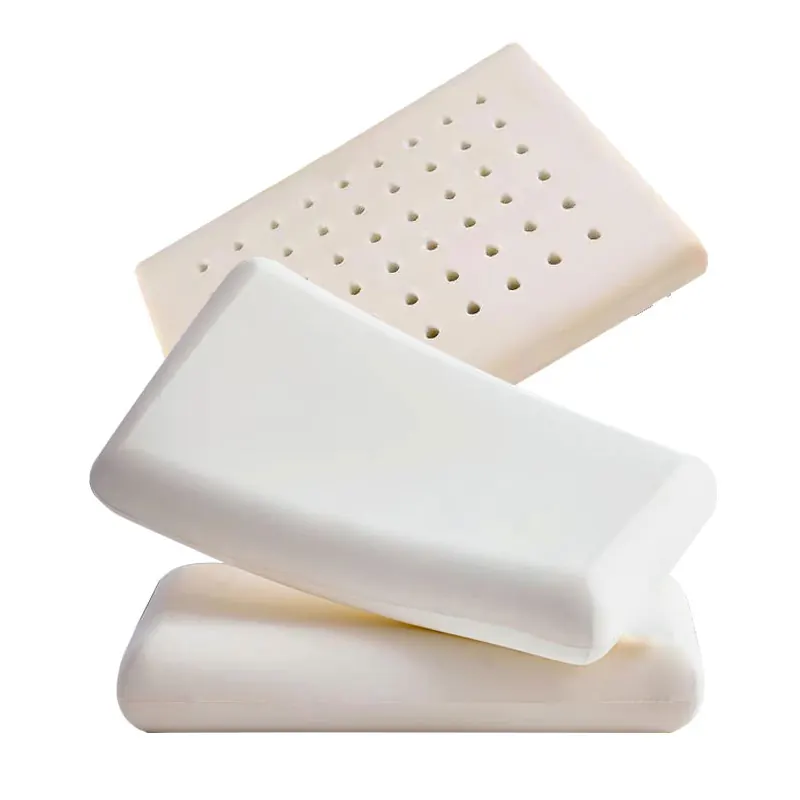
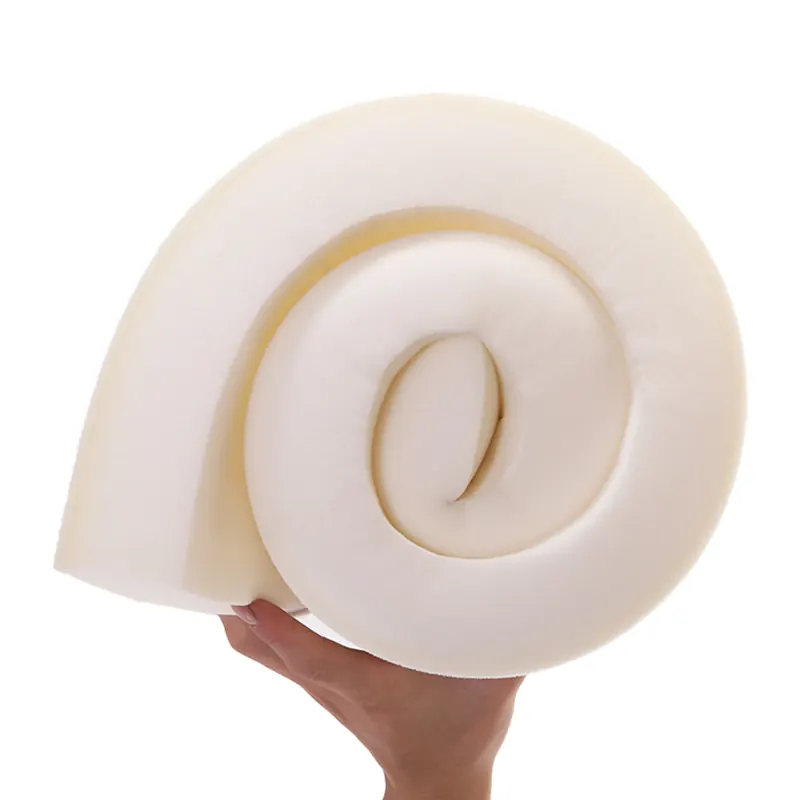
01 / Product overview
What is Memory Foam Cushions?
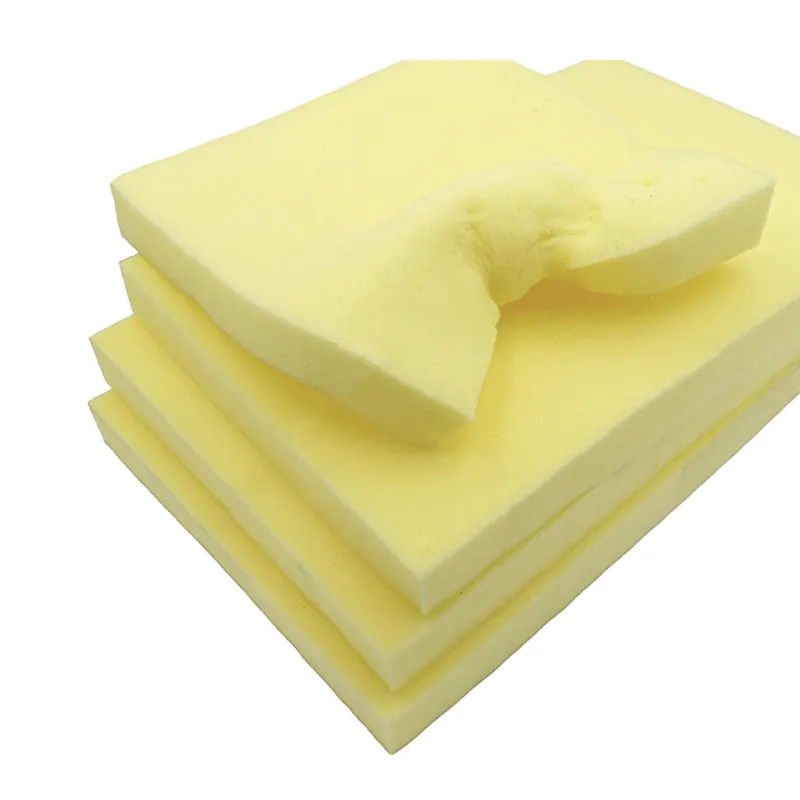
Memory foam cushions use a slow-response foam construction. This series is discussed for seating contact layers and composite cushions, with the supporting layers and cover reviewed as part of the assembly.
Memory foam may be discussed as a contact layer or as part of a fuller cushion construction. The supporting layers and cover need to remain visible when comparing samples; a slow-recovery description does not define the support of an entire seat.
Discuss your application02 / Benefits
Key selection considerations
Contact layer or complete cushion
A surface layer and a full-thickness cushion are different constructions. Identify what supports the contact layer and where the cover attaches before treating them as alternative versions of the same part.
Recovery in its use conditions
Record the sample temperature, loading arrangement and observation question when comparing recovery. A hand demonstration without those conditions cannot define a repeat-order requirement.
Hardness notation and support
The source uses SH notation without a confirmed scale or method. Keep that unresolved field separate from the assembled support requirement; do not relabel it as Shore C or ILD.
03 / Technical specifications
Properties & specifications
Compare the source range with your application requirements.
Source: company-supplied preliminary series information. These values have not been verified against approved grade-specific data sheets, test methods or tolerances. They are not guaranteed supply specifications or purchase acceptance limits.
| Property | Range / Options |
|---|---|
| Density | recommended RG 50 kg/m³ and above |
| Hardness | SH 16–30 typical; custom SH 16–35 |
| Recovery Behavior | low-resilience, slow recovery |
| Formats | comfort layer, full-thickness cushion, laminated cushion |
| Thickness | typical comfort layer 3–6 cm |
| Lamination Options | high-resilience PU core, gel layer, breathable mesh or cooling fabric |
The source describes SH16–30 as typical and SH16–35 as a custom range. The SH scale, test method, specimen conditions, tolerances and applicable grade remain unconfirmed. Neither range is an approved acceptance specification.
Ranges vary by grade. Confirm specifications and test methods for your application.
Ask about specifications04 / Formats & construction options
Formats & construction options
These are constructions to discuss, not a stocked range. The offered grade, conversion scope and dimensions are agreed for each enquiry.
Contact layers
Define the layer outline, thickness and location above its support. A contact-layer enquiry must identify which supporting component is included in the sample.
Full-thickness cushions
Show the entire cushion section and its base. Compare the full construction rather than assuming a similar top surface gives the same assembled support.
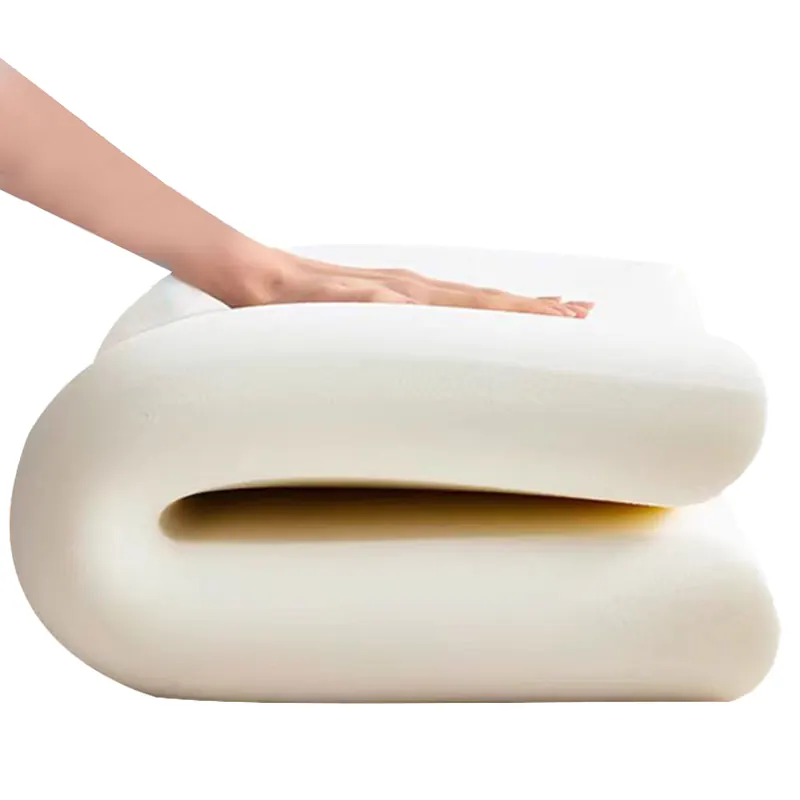
Layered cushions
List the order and geometry of the memory foam and supporting layers. Include the interface and bonding responsibility so the configuration can be repeated.
Covered assemblies
Identify the cover, attachment and orientation used with the proposed cushion. Any special cover or additional layer is a project option, not a verified feature of every supplied part.
05 / Applications
Applications of Memory Foam Cushions
Match the part geometry and sample question to its intended task.
- 01
Office seating
Locate the memory foam within the seat stack and use the same pan and cover for comparison. Surface feel and the support of the assembled seat are separate observations.
- 02
Automotive seating
Describe the contact layer, supporting construction and intended temperature conditions. A cushion discussion does not establish vehicle approval or a specified recovery time.
- 03
Home seating
Identify the base, cushion orientation and removable or fixed cover arrangement. Keep the accepted layer stack with the sample rather than selecting by the material label alone.
06 / Quality & project review
Sample checks for Memory Foam Cushions
Agree the drawing, applicable material data and sample requirements for your project.
Layer and contact geometry
Check the contact-layer outline and local thickness together with the support beneath it; record whether a full cushion or a separate layer is being accepted.
Grade and unresolved SH field
Tie the sample to its offered grade and retain the original SH notation pending a confirmed scale and method. Do not invent a numerical conversion to another hardness field.
Recovery observation context
Keep temperature, loading and observation conditions with a sample comparison. No fixed recovery time is established by the slow-response description alone.
Complete layer stack
Retain supporting layers, cover and attachment with the approved configuration. A change below the memory foam layer can change the construction being assessed.
08 / Memory Foam Cushions FAQs
Memory Foam Cushions FAQs
Questions to settle before sampling or production.
What is the minimum order for memory foam cushions or layers?
Send the cushion or comfort-layer dimensions, required piece quantity and any laminated-layer requirements. Our team will confirm the minimum order for the selected grade and construction.
Will the cushion feel different at different temperatures?
Memory foam softens when warm and becomes firmer when cold. Share the expected use temperatures, user weight range and sitting duration, and evaluate recovery and support under those conditions.
How do I choose density, hardness and layer thickness?
Provide the desired support, recovery feel, cushion dimensions and intended seat. The preliminary SH16–30 typical and SH16–35 custom descriptions are not approved grade specifications: the SH scale and test method remain unconfirmed. Agree the grade, specimen conditions, hardness method and layer thickness before sample approval.
Should I specify a full memory foam cushion or a comfort layer?
Both full-thickness cushions and memory foam layers over a high-resilience PU core are listed options. Share the support and heat-management requirements so the layer construction can be reviewed and sampled.
09 / Request a quote
Request a quote for Memory Foam Cushions
Show whether the enquiry concerns a memory foam layer or a complete cushion. Send the supporting construction and cover so the sample can be compared as an assembly.
- Layer or full-cushion outline and section
- Supporting layers, base, cover and attachment
- Use temperature and the required recovery/support observation
- Proposed grade, unresolved test fields and piece quantity
Tell us about your project
Prepare an email with your project details, then attach drawings and send it from your email app.