Sealing & Rubber Foam
Natural Rubber Foam (NR)
Flexible cushioning, vibration control, buffers and grip-related components.
- cell structure and hardness selection
- environment and media considerations
- pad, buffer and grip formats
Send your drawing, dimensions or application.
01 / Product overview
What is Natural Rubber Foam (NR)?
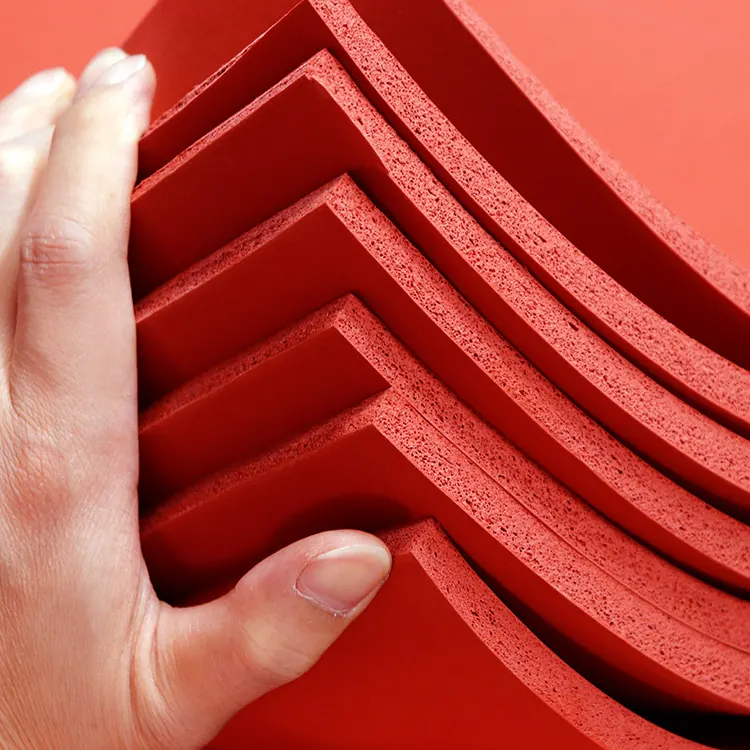
Natural rubber foam uses natural rubber as its elastomer base. This series is discussed for elastic cushioning, grips, bumpers and related components.
Elastic pads, buffers and grips describe different contact tasks. For an NR component, define where movement can occur and which surfaces carry the load before comparing density, hardness or a proposed shape.
Discuss your application02 / Benefits
Key selection considerations
Load direction and movement space
A pad compressed between surfaces is not the same arrangement as a part loaded sideways or struck intermittently. Mark the direction and available deformation space on the assembly.
Cell structure and contact
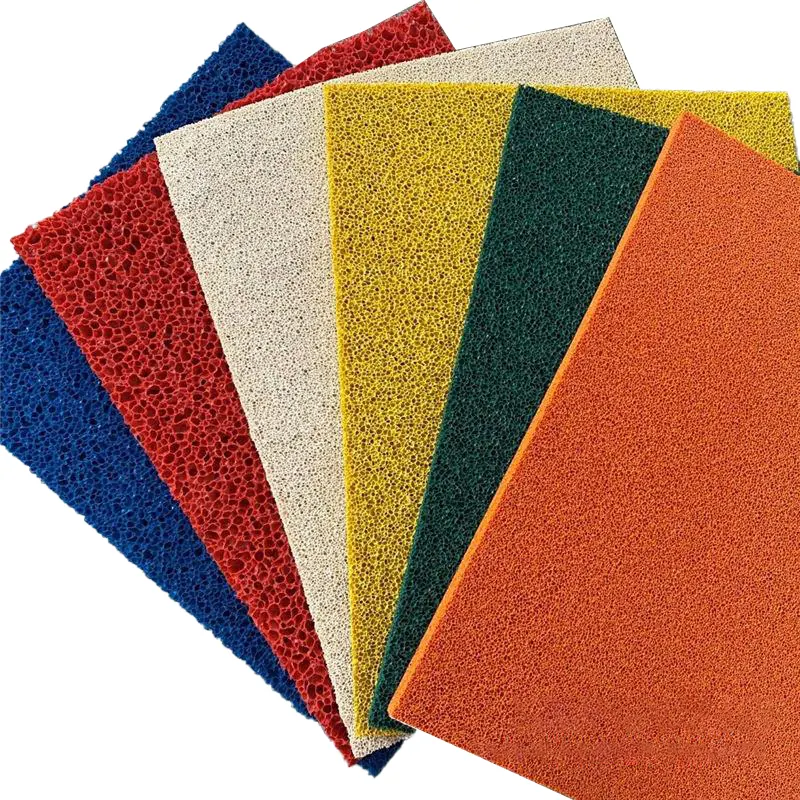
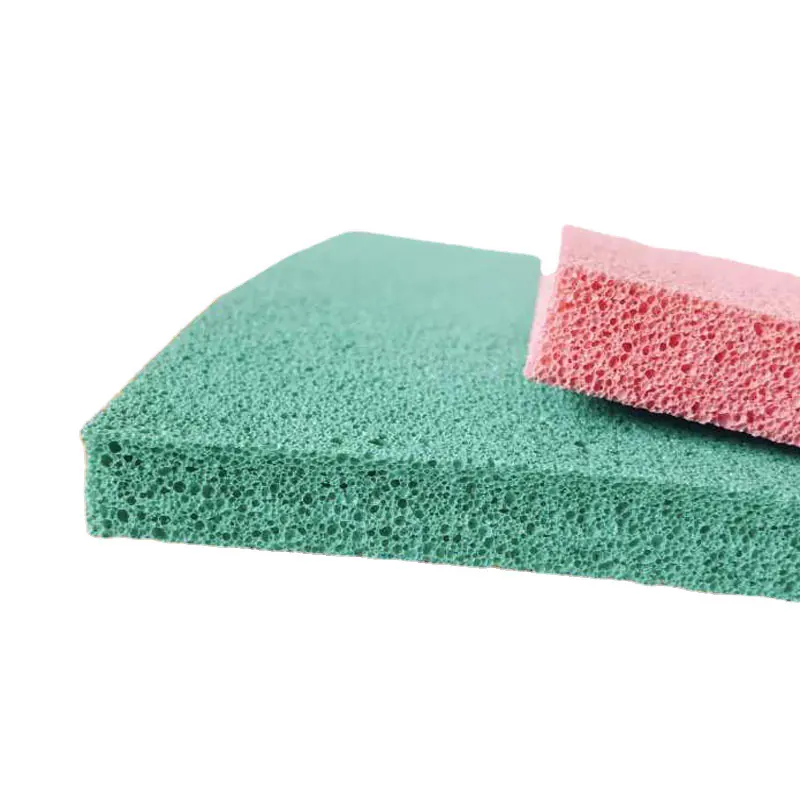
The proposed cellular construction and grade remain part of the material definition. Include the contact surfaces and environment; a hardness number alone cannot establish the response of the installed part.
Pad, buffer or grip
A pad provides a defined contact area, a buffer occupies a movement limit, and a grip follows a hand-contact geometry. Keeping these tasks separate makes the outline and sample question more useful.
03 / Technical specifications
Properties & specifications
Compare the source range with your application requirements.
Source: company-supplied preliminary series information. These values have not been verified against approved grade-specific data sheets, test methods or tolerances. They are not guaranteed supply specifications or purchase acceptance limits.
| Property | Range / Options |
|---|---|
| Formats | sheet, pad, buffer, grip component |
Ranges vary by grade. Confirm specifications and test methods for your application.
Ask about specifications04 / Formats & construction options
Formats & construction options
These are constructions to discuss, not a stocked range. The offered grade, conversion scope and dimensions are agreed for each enquiry.
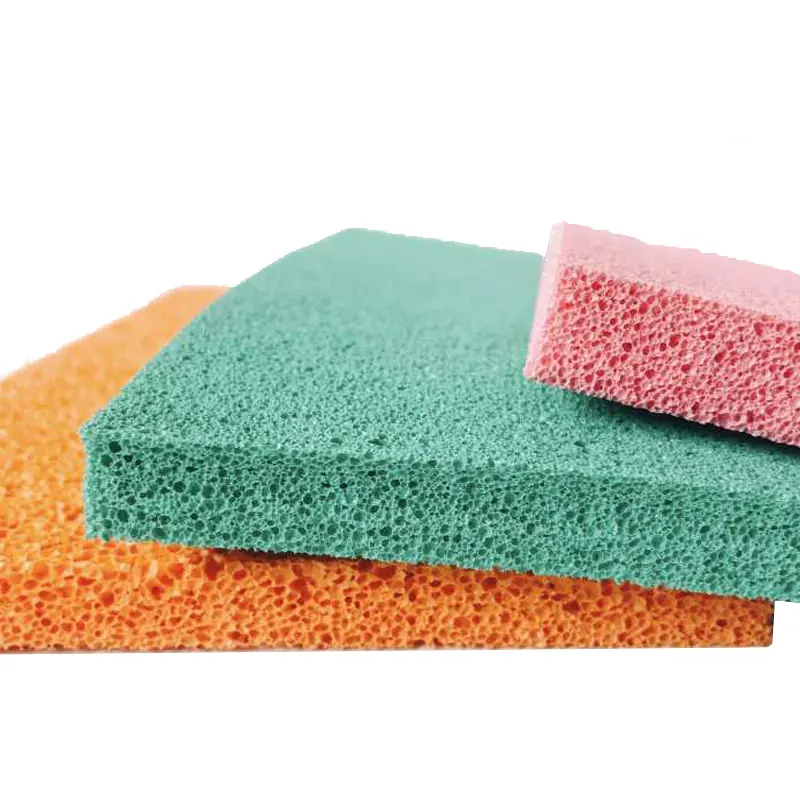
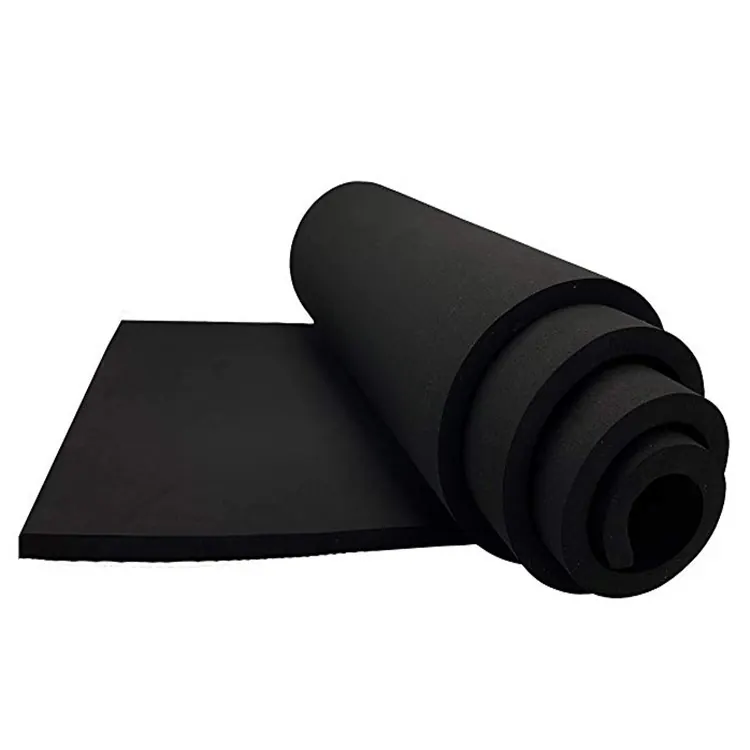
Sheets
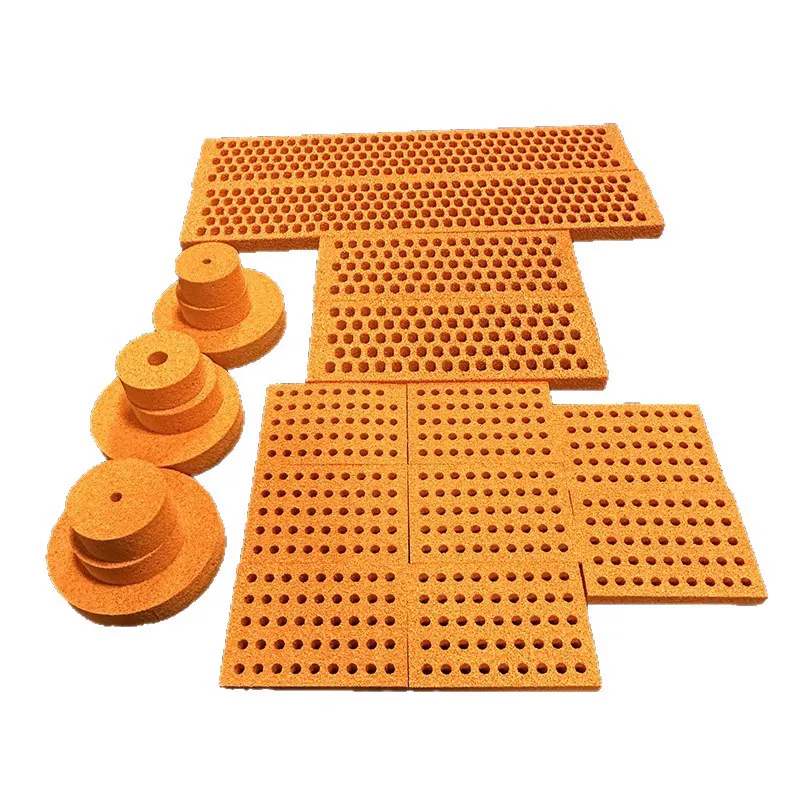
Use stock dimensions and thickness for a flat-sheet enquiry. If the sheet will be converted into several components, identify the finished outlines and who owns that operation.
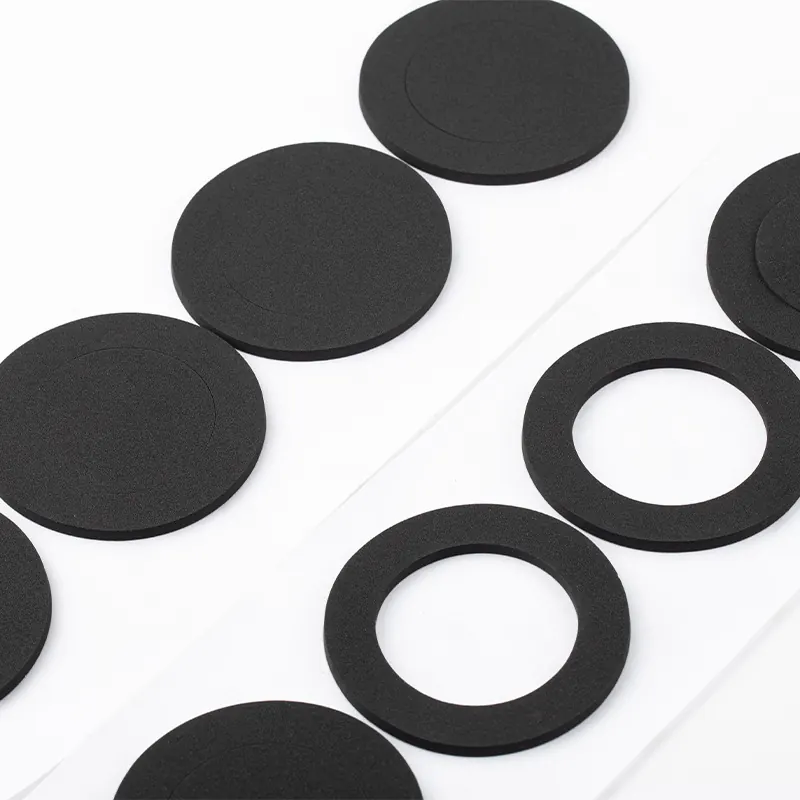
Pads
Describe the support area, thickness and counterpart surfaces. Show any holes or cut-outs that change the available contact region.
Buffers
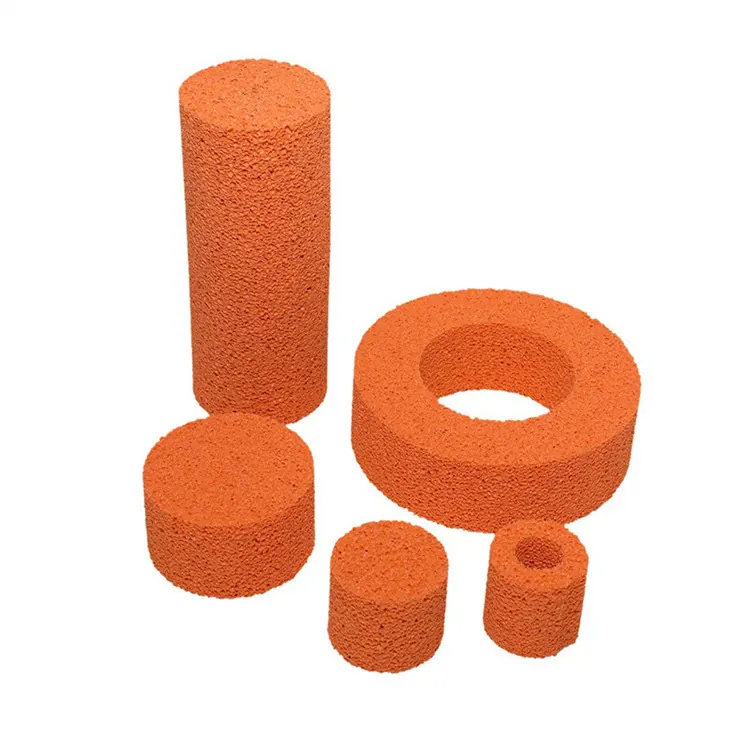
A buffer drawing needs the motion path, contact location and space at the stop. Its geometry cannot be selected from an uncompressed material sample alone.
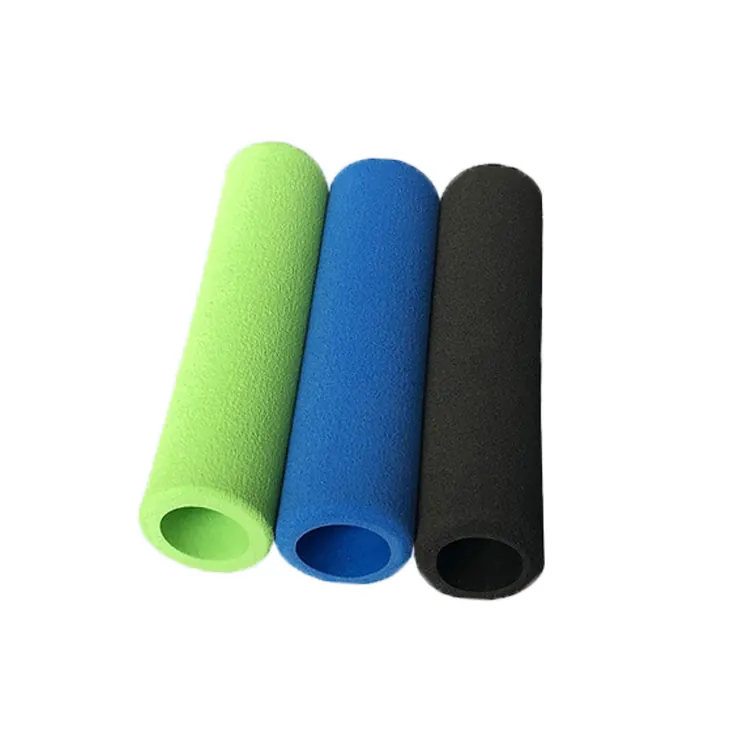
Grip components
Show the hand-contact contour, the underlying support and how the grip is retained. Grip fit and attachment are separate from a general cushioning requirement.
05 / Applications
Applications of Natural Rubber Foam (NR)
Match the part geometry and sample question to its intended task.
- 01
Vibration damping
Locate the pad between its supporting surfaces and describe the direction of motion, restraint and load. Identify which parts move relative to each other so the required response is assessed in the intended assembly.
- 02
Buffer pads
Identify where moving parts meet the buffer and whether contact is sustained or intermittent. The available movement and stop geometry define the representative sample arrangement.
- 03
Grip components
Define the contour used for hand contact, local clearances and the retention to the handle or support. Avoid using a flat-pad thickness as the complete grip specification.
- 04
Sports equipment
Describe whether the NR component is a grip, contact pad or buffer within the equipment. Equipment performance and safety need an applicable assessment beyond material identity.
06 / Quality & project review
Sample checks for Natural Rubber Foam (NR)
Agree the drawing, applicable material data and sample requirements for your project.
Contact geometry
Compare the pad area, buffer position or grip contour with the appropriate counterpart, including the allowed movement space.
NR specimen record
Keep the grade, cell structure, thickness and hardness method with the tested or compared specimen, separate from total finished-part weight.
Defined sample observation
State whether the review concerns assembly fit, hand contact, buffer clearance or an independently defined response assessment. These are not interchangeable results.
Retention and revision
Retain the approved attachment and counterpart references. A grip support or stop-position change can alter the assembly even when the foam outline is unchanged.
08 / Natural Rubber Foam (NR) FAQs
Natural Rubber Foam (NR) FAQs
Questions to settle before sampling or production.
What is the minimum order for natural rubber foam pads or parts?
Send the sheet dimensions and count, or the pad, buffer or grip drawing and required piece quantity. The minimum order needs to be confirmed for the selected material and finished shape.
What should I specify for a vibration or cushioning pad?
Provide the supported load, available space, compression cycles and operating environment. Review the grade and pad geometry against the required cushioning and recovery, using a representative sample.
How do I choose density, hardness and cell structure?
Share the support or grip requirements, thickness and finished dimensions. Confirm the density, hardness and open-cell or closed-cell construction against your application or reference sample.
How should I specify a custom buffer or grip component?
Send the contour, mating dimensions and any fabric or adhesive requirements. The processing route, dimensional tolerances and sample fit need to be confirmed before production.
09 / Request a quote
Request a quote for Natural Rubber Foam (NR)
Identify whether the NR part is a pad, buffer or grip. A sketch of the load direction and counterpart is more useful than a cushioning request without an assembly.
- Pad outline, buffer position or grip contour
- Load direction, contact mode and movement space
- Proposed thickness, cell structure and hardness record
- Counterpart, retention, quantity and sample purpose
Tell us about your project
Prepare an email with your project details, then attach drawings and send it from your email app.