Packaging Foam
EVA Foam
Custom cushioning, inserts, footwear components and impact-control parts.
- sheet, roll and die-cut formats
- protective packaging selection
- thickness and density comparison
Send your drawing, dimensions or application.
01 / Product overview
What is EVA Foam?
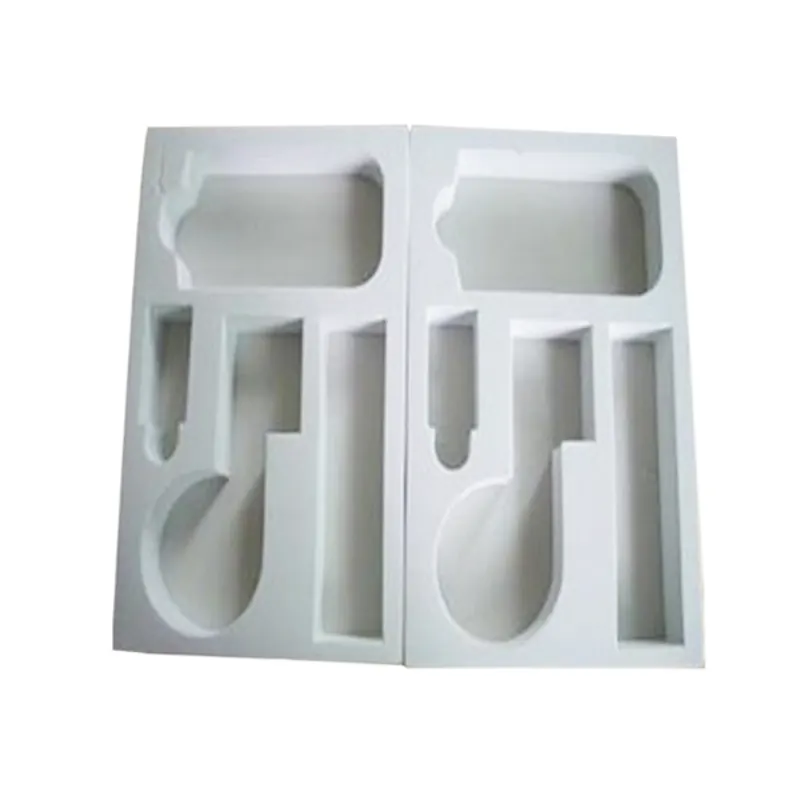
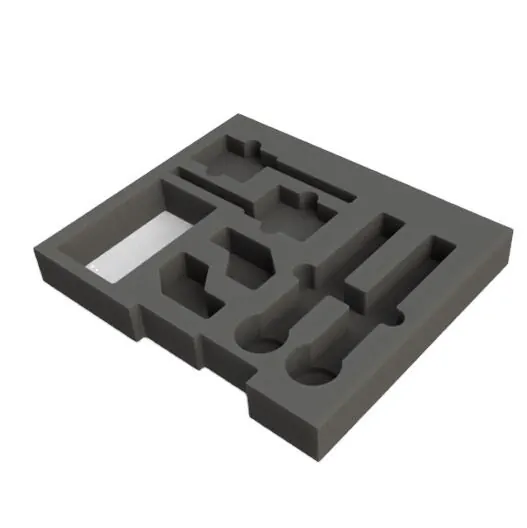
EVA is ethylene vinyl acetate foam. The supplied series is discussed for packaging inserts, cushioning and footwear components.
EVA enquiries can concern a packaging cavity, a cushioning pad or a footwear component. Those parts require different outline and contact information; color and hardness choices cannot substitute for defining how the part sits in its assembly.
Discuss your application02 / Benefits
Key selection considerations
Cushioning geometry
A flat pad describes an area and thickness, while an insert also locates a product around cavities. Start with the support contacts and available space so those constructions can be compared for the same task.
Hardness and thickness together
A hardness value has meaning only with its scale and material record. Keep the finished thickness and shape visible when comparing samples; a similar hand feel does not establish an equivalent construction.
Layers and appearance
A color match, a layer interface and a bonding requirement are separate fields. Identify which face is visible and which layers contact the product or assembly before proposing a combined part.
03 / Technical specifications
Properties & specifications
Compare the source range with your application requirements.
Source: company-supplied preliminary series information. These values have not been verified against approved grade-specific data sheets, test methods or tolerances. They are not guaranteed supply specifications or purchase acceptance limits.
| Property | Range / Options |
|---|---|
| Density | 50–190 kg/m³ |
| Hardness | 15–75 Shore C |
| Formats | sheet, laminated sheet, custom die-cut profile |
Ranges vary by grade. Confirm specifications and test methods for your application.
Ask about specifications04 / Formats & construction options
Formats & construction options
These are constructions to discuss, not a stocked range. The offered grade, conversion scope and dimensions are agreed for each enquiry.
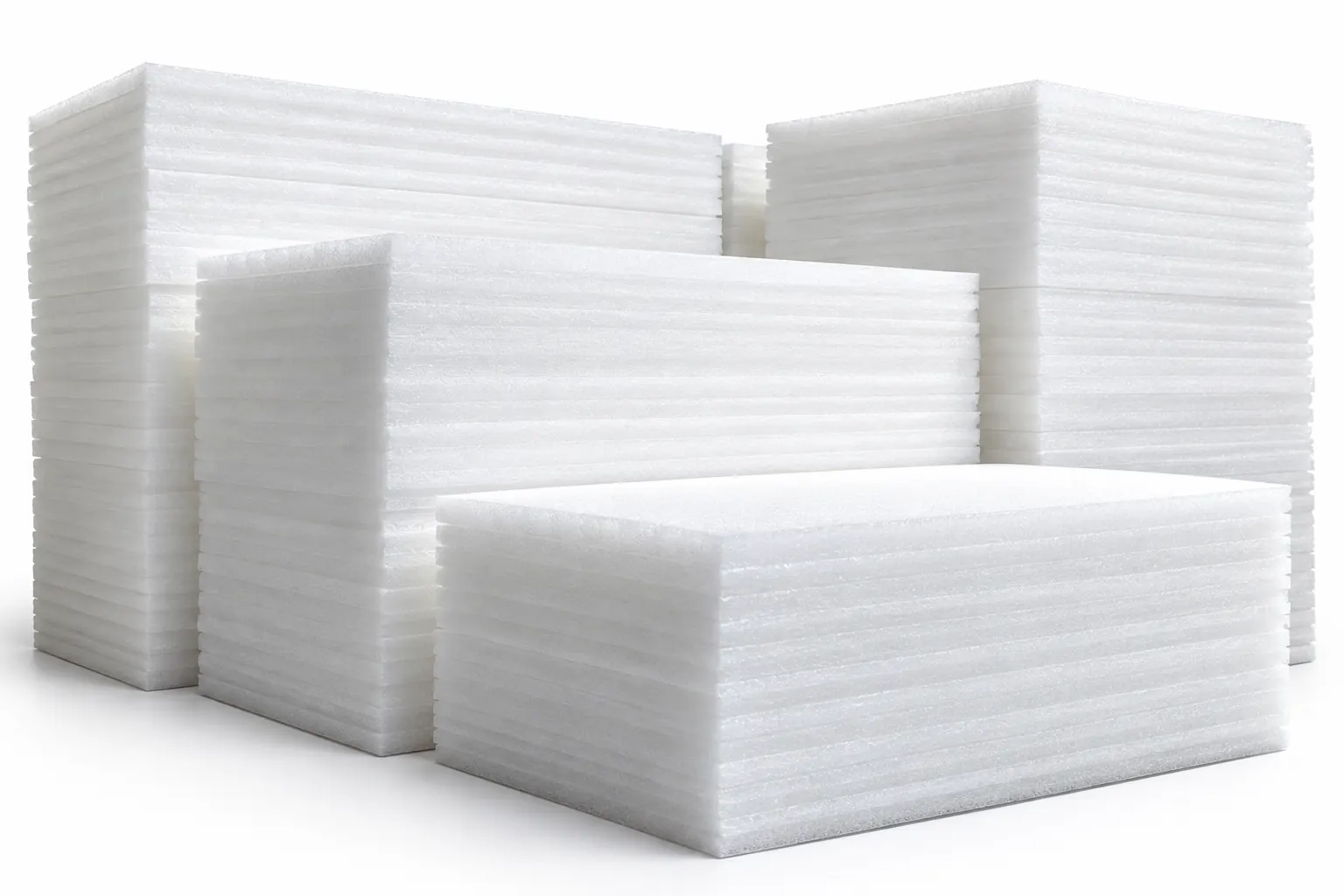
Sheets
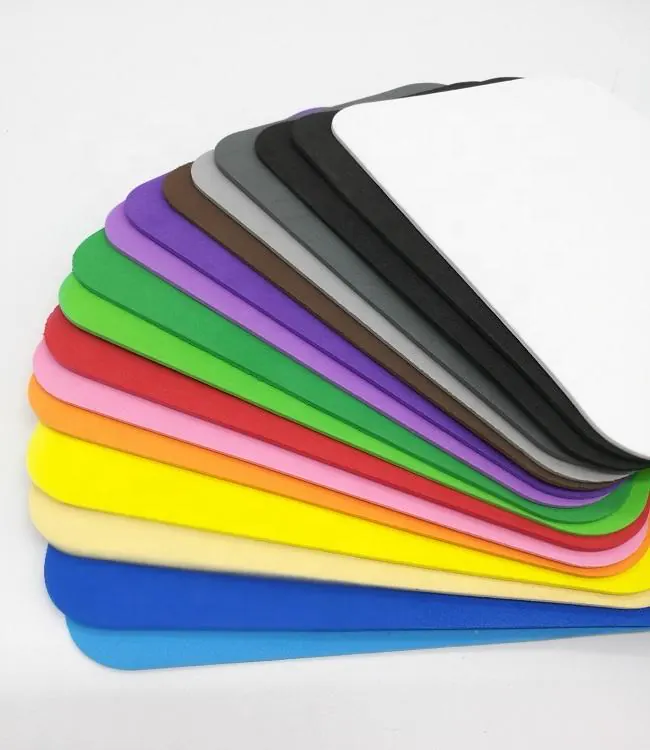
Specify sheet size, thickness and color for stock enquiries. If the sheets will become smaller parts, keep conversion responsibility and finished-part requirements distinct from the stock order.
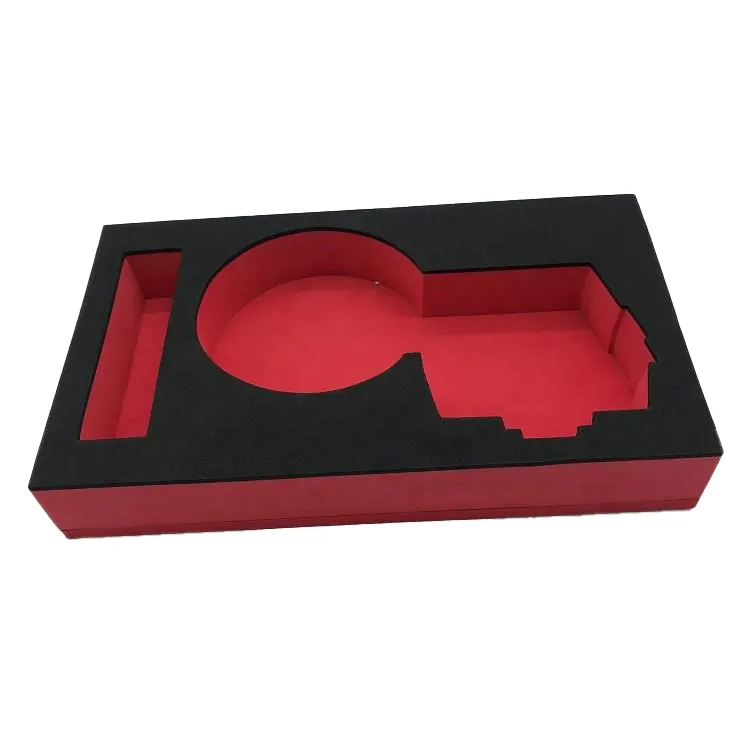
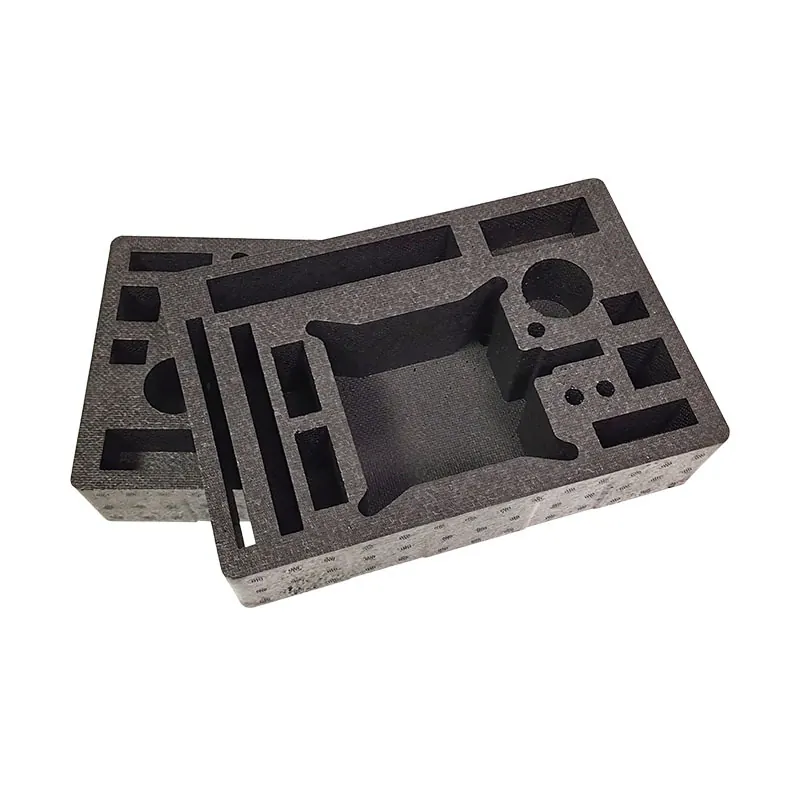
Packaging inserts
Show product cavities, accessory spaces, support faces and removal access. The outline of the outer box alone cannot define the internal locating geometry.
Cushioning pads
Give the loaded area, available thickness and the surfaces on both sides of the pad. Local holes or cut-outs should be shown because they change where the assembly can make contact.
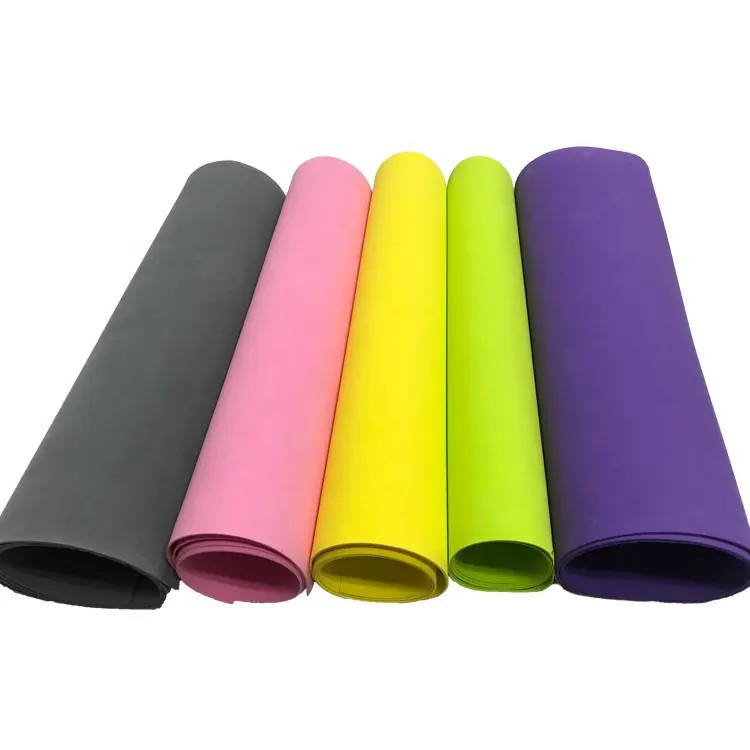
Footwear components
Provide the component outline, side and orientation, thickness transitions and adjoining layers. Shaping, bonding and color requirements must be assessed for the particular construction.
05 / Applications
Applications of EVA Foam
Match the part geometry and sample question to its intended task.
- 01
Protective packaging
Separate product-support faces from finished surfaces that must remain clear. Describe the packing and removal sequence before choosing between a flat pad and a locating insert.
- 02
Footwear components
Identify the layer or component within the shoe, its contact faces and the adjoining materials. Show the left/right orientation and local thickness transitions needed by the assembled footwear component.
- 03
Cushioning and vibration pads
Explain the load direction, support area and available movement. A cushioning observation does not by itself establish vibration isolation over an operating range.
- 04
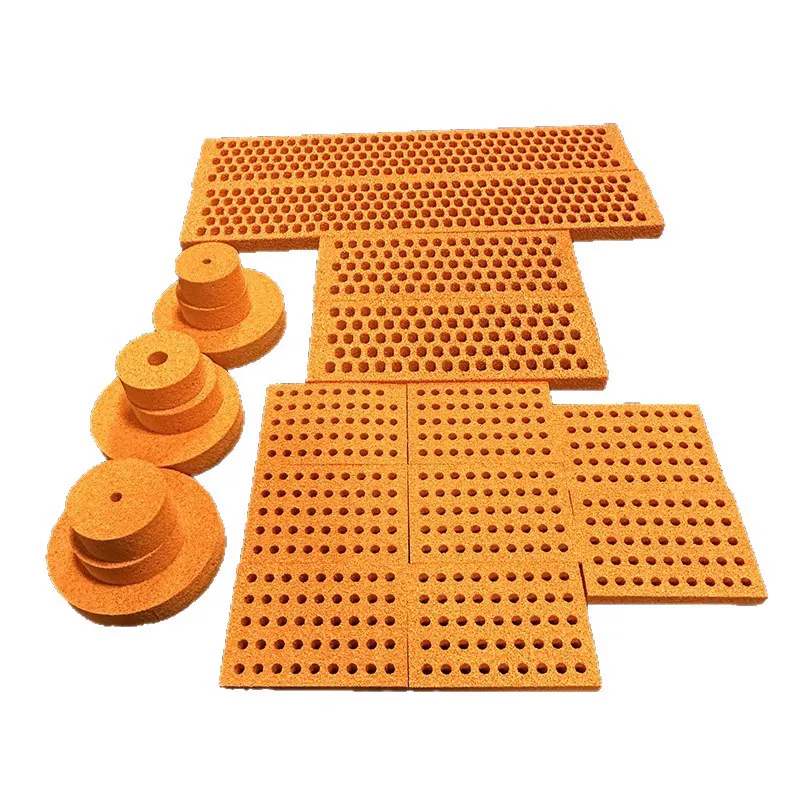
Custom components
Use an outline and section view to distinguish a simple flat part from a layered or contoured assembly. Identify the critical interface rather than describing every custom part as an insert.
06 / Quality & project review
Sample checks for EVA Foam
Agree the drawing, applicable material data and sample requirements for your project.
Outline and layer dimensions
Check the finished outline, thickness transitions and any layer registration against the drawing, rather than accepting only the size of the starting sheet.
Hardness and color references
Keep the grade, hardness scale and agreed color reference with the sample so a later order can be compared on the same basis.
Task-specific fit
For packaging, observe product support and removal. For footwear, use the specified adjoining components; the two assemblies do not share the same acceptance question.
Construction revision
Retain the selected layer order and attachment definition. Changing a backing or bonding interface is a construction change even when color and thickness remain similar.
08 / EVA Foam FAQs
EVA Foam FAQs
Questions to settle before sampling or production.
What is the minimum order for EVA sheets or die-cut parts?
Send the sheet dimensions and count, or the part drawing and piece quantity, together with the color and hardness. Our team will confirm the minimum order for that specification and processing route.
How do I select EVA for cushioning or vibration pads?
Share the load, available thickness, expected compression and any moisture or temperature exposure. Select the grade against those conditions and check cushioning and recovery on a sample.
Which hardness and thickness should I order?
Specify the required feel or support, density, thickness and finished dimensions. Include the hardness scale used in your drawing or reference sample so the grade can be compared correctly.
What should I provide for laminated EVA parts?
Send the layer materials, individual thicknesses, bonding requirements and finished contour. Confirm the layer construction and fit with a sample before placing the production order.
09 / Request a quote
Request a quote for EVA Foam
Tell us whether the EVA part is an insert, pad or footwear component. Send the drawing and adjoining surfaces, plus the hardness scale and color reference if already specified.
- Part outline, section and installation orientation
- Packaging contacts, pad loading or footwear interfaces
- Thickness, color, hardness scale and layer construction
- Finished-part quantity and the assembly used for sampling
Tell us about your project
Prepare an email with your project details, then attach drawings and send it from your email app.