Skip to content

Furniture & Seating · application review

A cushion decision starts with the seat.

Review PU and Memory Foam cushion routes around seat geometry, cover fit and the sample decision.

Discuss your component
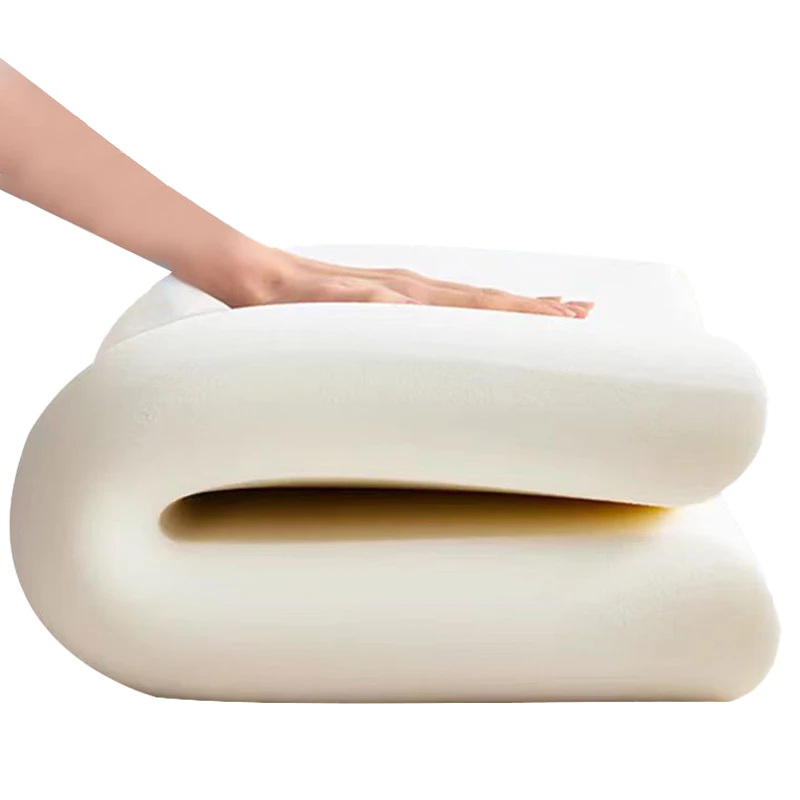
Flexible memory foam cushioning material
Customer cushioning material reference; comfort, durability and compliance require project-specific evidence.

01 / Start with the task

Compare the cushion structure against one seat brief.

The materials share seating applications, but their specification and structure questions differ. Use the same seat geometry and cover context when comparing proposals.

01

PU cushion density, ILD and molded geometry

PU Foam Cushion is described for office chairs, automotive seats and equipment cushions. Discuss density/ILD and molded geometry with the actual seat and cover.

Which geometry and material-method questions must the sample answer?

02

Memory Foam response and composite structure

Memory Foam Cushion is described for office, automotive and home seating. Review slow-response and composite construction as project questions, with the assembled cushion kept visible.

What response or layer configuration is being proposed, and under which review conditions?

02 / Compare on common inputs

One assembly brief. Different material questions.

PU Foam Cushion is described for density/ILD selection and molded forms. Memory Foam Cushion is described for slow-response and composite structures. Neither direction is a universal comfort or durability ranking.

Qualitative application routes; grade-specific supply and performance require confirmation.
Project task Material routes to review Evidence to request
Office/equipment cushion PU route Density/ILD method, thickness, molded/shape and cover fit
Office/home cushion Memory Foam route Proposed response, layer structure and sample conditions
Shared seating comparison PU / Memory Foam Same base, cover, contact zones and defined acceptance task

03 / Prepare the review

Bring the seat, cover and acceptance question.

A cushion sample is useful when its relationship to the base and cover is clear. Record the intended geometry and define which observation the sample should answer.

  • Seat/base drawing, thickness envelope and contact regions.
  • Cover geometry, attachment and installation sequence.
  • PU density/ILD or Memory Foam response/structure questions with method context.
  • Sample configuration, review conditions, approval owner and change triggers.

04 / Resource guides

Move from a shortlist to a reviewable sample.

Furniture & Seating material questions

How should PU and Memory Foam cushions be compared?

Use the same seat geometry, base, cover and acceptance task. Preserve each route’s grade and method questions. The family names do not establish a comfort or durability ranking.

Does density alone determine how a cushion performs?

No. Review density alongside the applicable ILD or response record, thickness, geometry and installed seat context. Do not infer comfort or life from density alone.

What starts a seating cushion project?

Provide the seat/base drawing, cover, contact zones, thickness envelope, specification questions and intended sample review conditions.

Bring the seating cushion brief.

Share the seat drawing, base and cover, contact zones, specification questions, expected volume and sample acceptance conditions.

We use only necessary browser storage to remember privacy preferences and support core site functions.