Packaging Foam
EPP Foam
Molded protective packaging, reusable containers and energy-absorbing parts.
- molded geometry
- reusable packaging formats
- energy absorption and insert design
Send your drawing, dimensions or application.
01 / Product overview
What is EPP Foam?
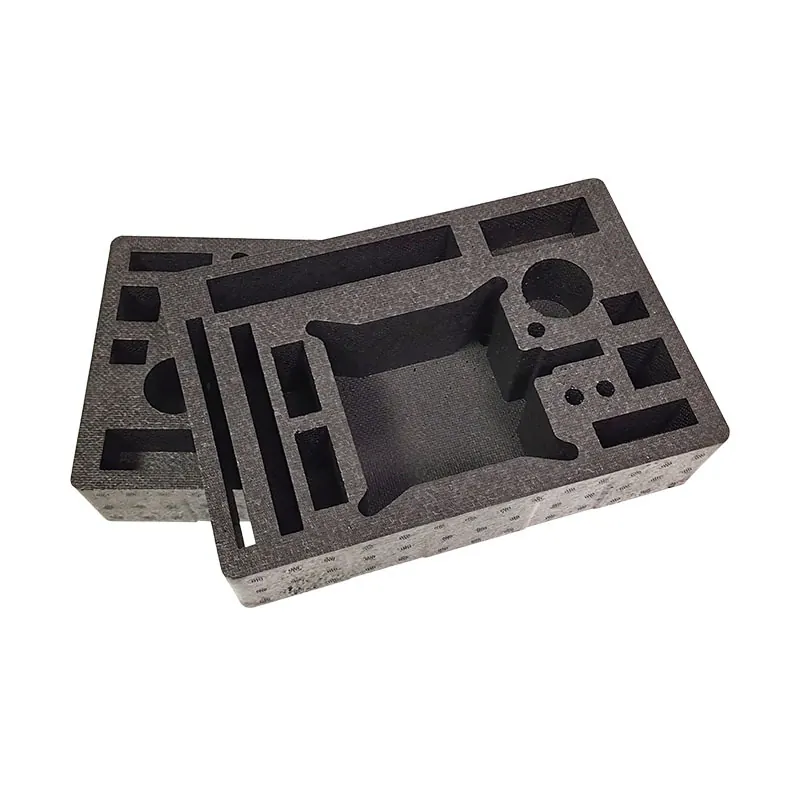
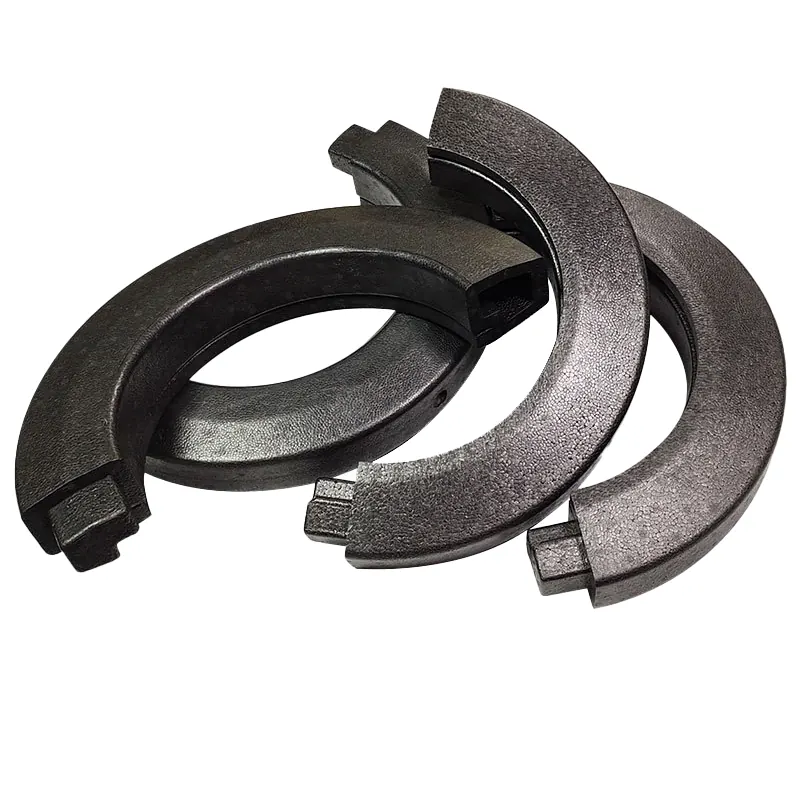
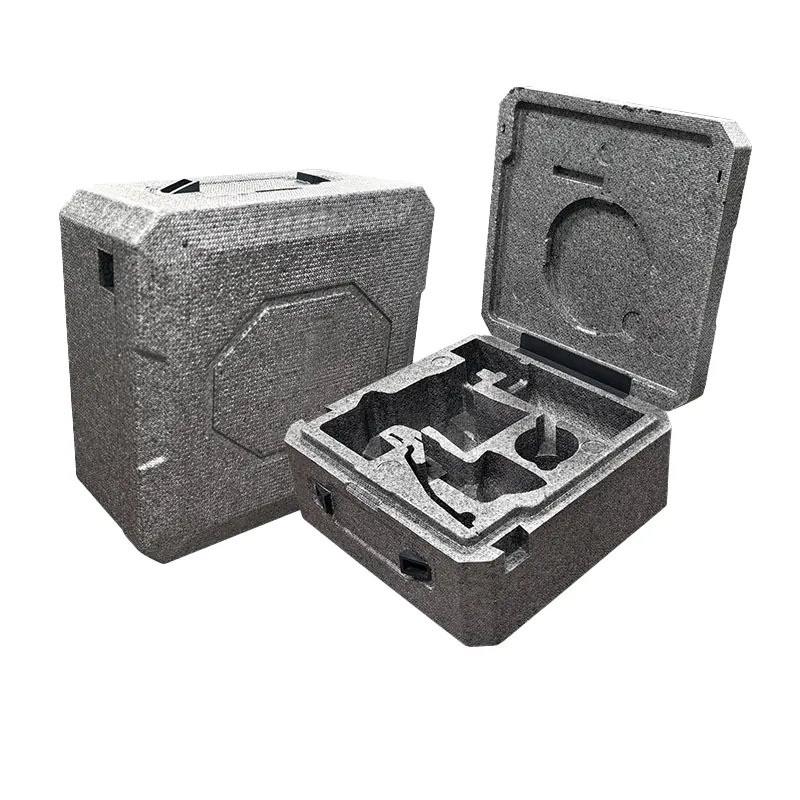
EPP is expanded polypropylene foam. The supplied series covers molded protective parts, returnable containers and trays.
A returnable container and a shaped protective component use EPP in different assemblies. Begin with the product contacts and handling sequence, then separate the molded geometry, any inserts and the material evidence needed for that task.
Discuss your application02 / Benefits
Key selection considerations
Product access and retention
Supporting a product and allowing an operator to remove it are different design tasks. Show the allowed contact regions, grip access and the features that locate the product in the proposed part.
Loaded and empty journeys
A returnable packaging brief includes loading, transport, unloading and empty return. Nesting or stacking is a geometry question that must be described for the complete container, not inferred from EPP density.
Molded part definition
Wall transitions, local recesses and insert locations belong in the part drawing. A target density cannot define these features or establish the retention of an added component.
03 / Technical specifications
Properties & specifications
Compare the source range with your application requirements.
Source: company-supplied preliminary series information. These values have not been verified against approved grade-specific data sheets, test methods or tolerances. They are not guaranteed supply specifications or purchase acceptance limits.
| Property | Range / Options |
|---|---|
| Density | 17–100 kg/m³ |
| Formats | molded parts, returnable containers, trays, custom inserts |
The source descriptions list 17–100 kg/m³, 30–110 g/L for typical molded parts, and 20–180 g/L for adjustable density. The applicable grade, process and supply form for each range remain unconfirmed. Do not combine these ranges into one offered specification.
Ranges vary by grade. Confirm specifications and test methods for your application.
Ask about specifications04 / Formats & construction options
Formats & construction options
These are constructions to discuss, not a stocked range. The offered grade, conversion scope and dimensions are agreed for each enquiry.
Molded containers
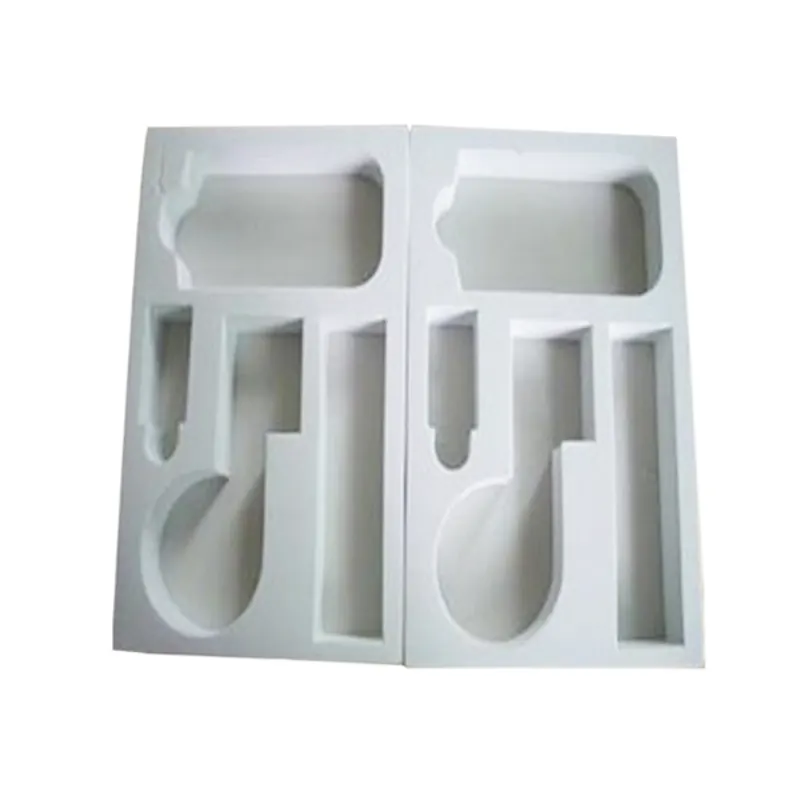
Define the internal product space, opening, lid or counterpart and empty-return arrangement. These interfaces distinguish a container proposal from a simple protective pad.
Trays
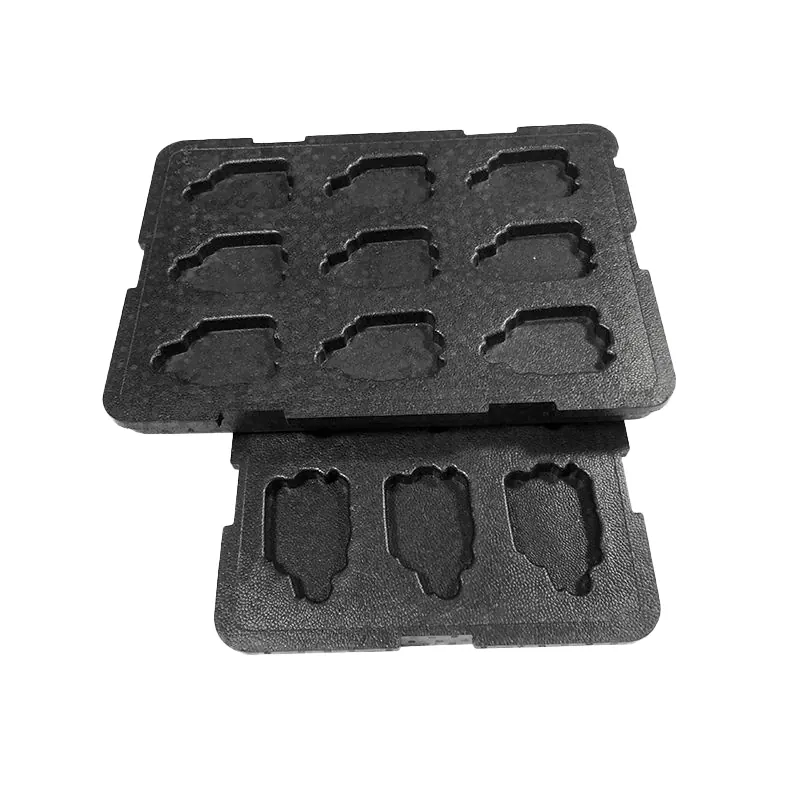
A tray needs cavity positions, support contacts and removal access for each carried part. Include the orientation used during loading and whether the tray interfaces with another carrier.
Protective parts
Show where the shaped part contacts the product and where it must leave clearance. The drawing should distinguish locating features from the regions intended for a protective function.
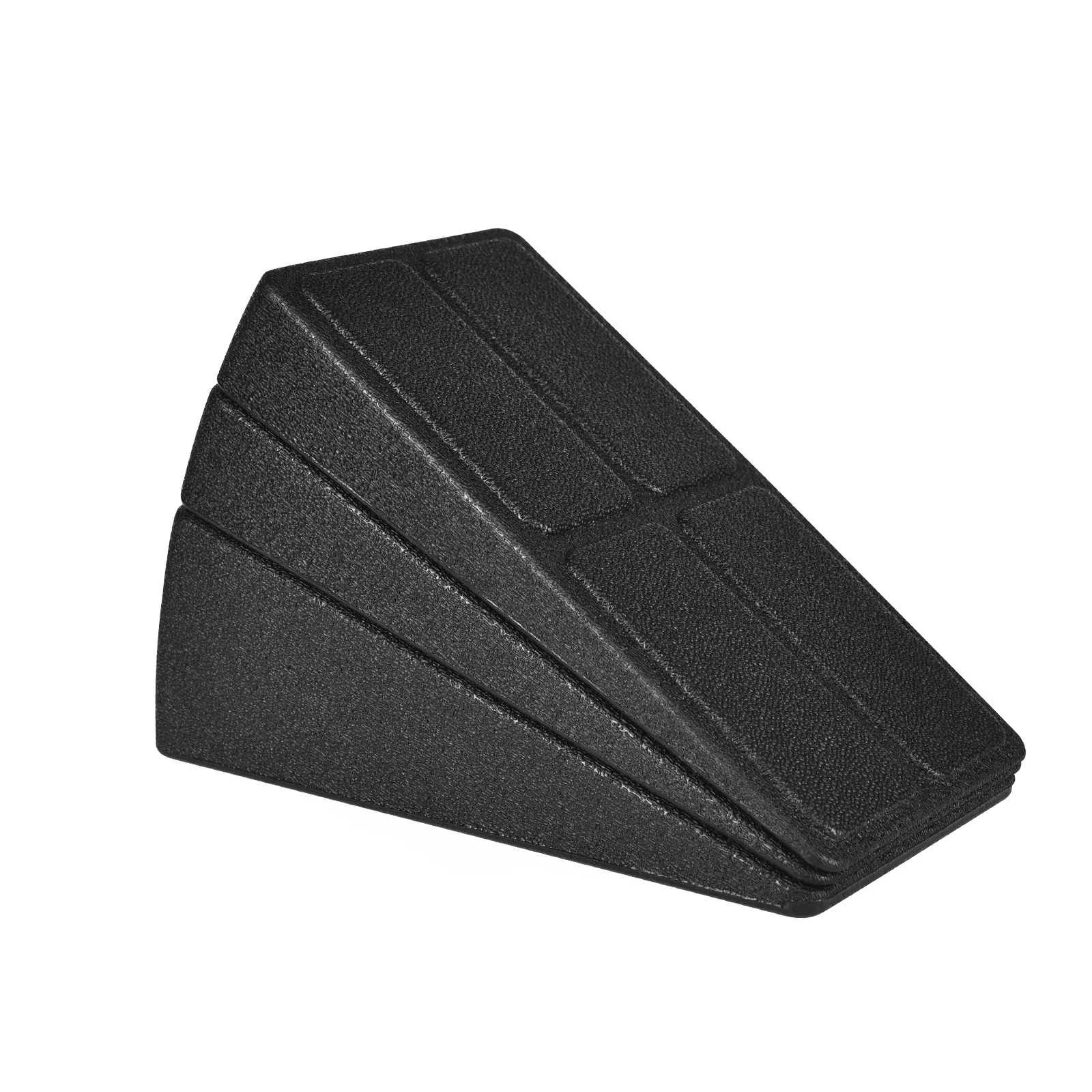
Insert concepts
Identify each proposed insert, its position and its assembly purpose. Tooling, molding feasibility and retention checks must be agreed for that design; an insert is not an automatic feature of every EPP part.
05 / Applications
Applications of EPP Foam
Match the part geometry and sample question to its intended task.
- 01
Returnable packaging
Connect product loading and removal to the empty return loop. Keep the container, any separate inserts and their identification in one packaging configuration for sample review.
- 02
Automotive parts
Distinguish a carrier that transports a vehicle component from a foam part installed in the vehicle. They have different interfaces and approval requirements even when both enquiries mention automotive use.
- 03
Sports equipment
Locate the proposed protective element within the equipment and show contact surfaces, retention and available deformation space. Identify the equipment-level safety or impact requirement separately from the fit of the foam component.
- 04
Protective components
Define the item being protected, the available envelope and the attachment to its counterpart. A shaped sample can resolve fit without yet proving the complete protection requirement.
06 / Quality & project review
Sample checks for EPP Foam
Agree the drawing, applicable material data and sample requirements for your project.
Cavities and counterpart fit
Compare the product contacts, cavity positions, lid or carrier interfaces and removal access against the same controlled assembly.
Molded grade identity
Keep the offered grade and density method with the molded sample. The different preliminary density ranges are not a confirmed grade catalogue.
Handling or protection observation
State whether the sample is being accepted for loading access, empty return, retention or a defined protective assessment. Do not combine these into a single undefined pass.
Tooling and insert changes
Record the geometry and insert configuration used for approval. A cavity or retention change needs its own review even if the material family remains EPP.
08 / EPP Foam FAQs
EPP Foam FAQs
Questions to settle before sampling or production.
What is the minimum order for molded EPP parts?
Send the part drawing, target density and required piece quantity. The minimum order and any tooling requirements need to be confirmed for the molded geometry.
What should be checked for reusable EPP packaging?
Provide the payload, handling conditions, return cycle and operating temperatures. Review cushioning, fit and repeated-use requirements with a representative sample before specifying the part.
How should I specify EPP density and dimensions?
State the target part weight, loading requirements, wall thicknesses and dimensional tolerances. The different density ranges in the preliminary source information have not been mapped to confirmed grades or processes. Agree the offered molded grade, density method and part tolerances before production.
What information is needed for an EPP part with inserts?
Provide the insert material, dimensions, location and required retention or assembly function. The molding route, tooling and sample checks need to be agreed for the design.
09 / Request a quote
Request a quote for EPP Foam
Describe the product and the complete molded-part task: container, tray or installed protective element. Include access and counterpart geometry before discussing tooling.
- Part model or drawing with contacts and clearances
- Loading, removal and return-loop conditions where relevant
- Insert positions and proposed molded grade information
- Part quantity, counterpart revisions and sample purpose
Tell us about your project
Prepare an email with your project details, then attach drawings and send it from your email app.